Good auscultation is mostly routine: earpieces angled forward, the right side of the chestpiece open, skin contact rather than clothing, and the same order at every examination. This guide walks through each step with a Littmann or ADC stethoscope, from fitting the headset to listening to the heart, lungs and abdomen.
The essentials
- Point the earpieces forward, in line with your ear canals, and check which side of the chestpiece is open before you listen.
- Light pressure on a tunable or AFD diaphragm (or the bell) for low-pitched sounds; firmer pressure on the diaphragm for high-pitched ones.
- Always listen on skin, and follow the same order every time: four heart areas, side-to-side lung points, then the abdomen.
- Wipe the chestpiece and eartips after each patient, and replace worn diaphragms and eartips rather than the whole stethoscope.
Know your stethoscope
Every acoustic stethoscope has the same main parts: the eartips and eartubes (together the headset), the tubing, the stem and the chestpiece, which carries a diaphragm and, on most models, a bell.
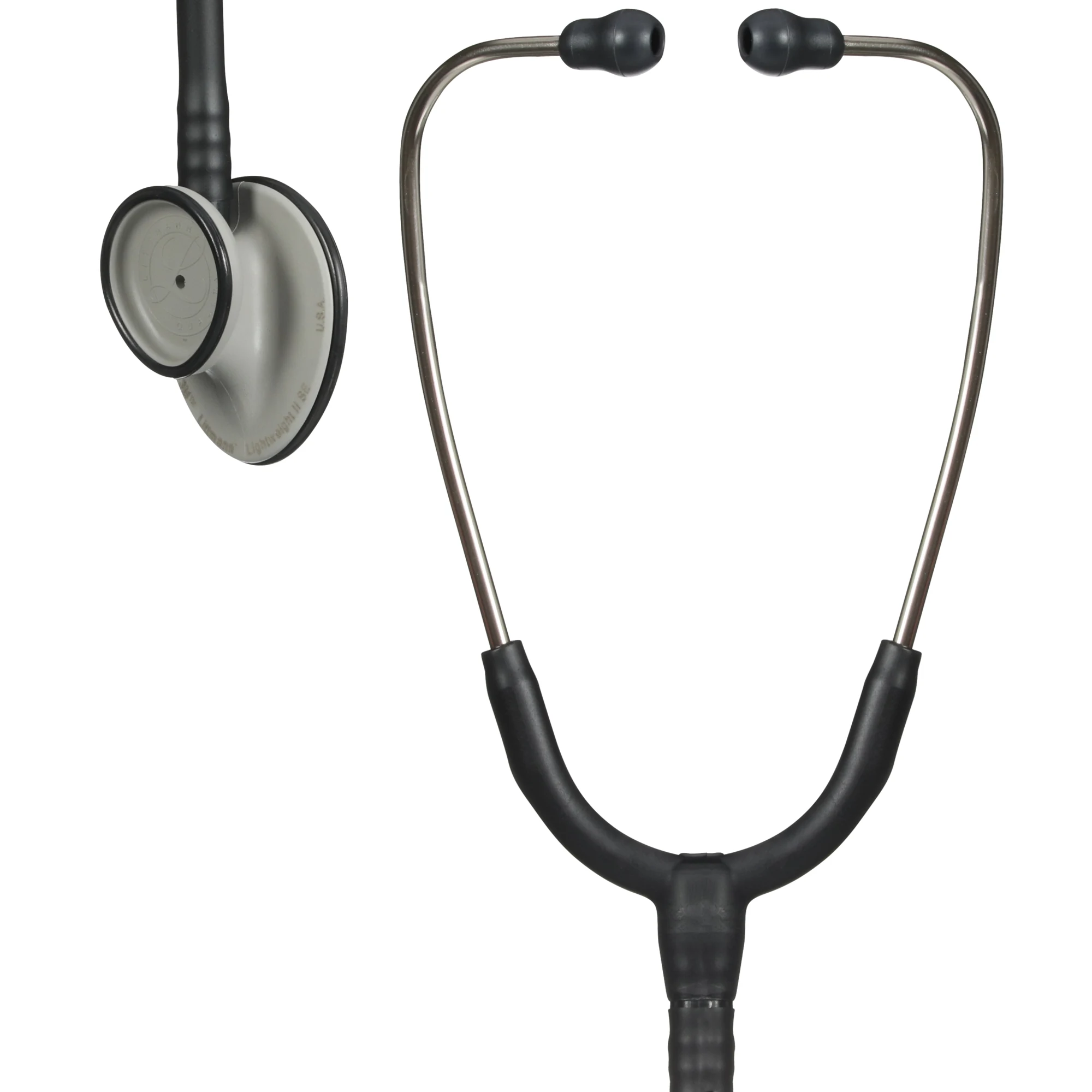
How the chestpiece handles low and high frequencies depends on the model:
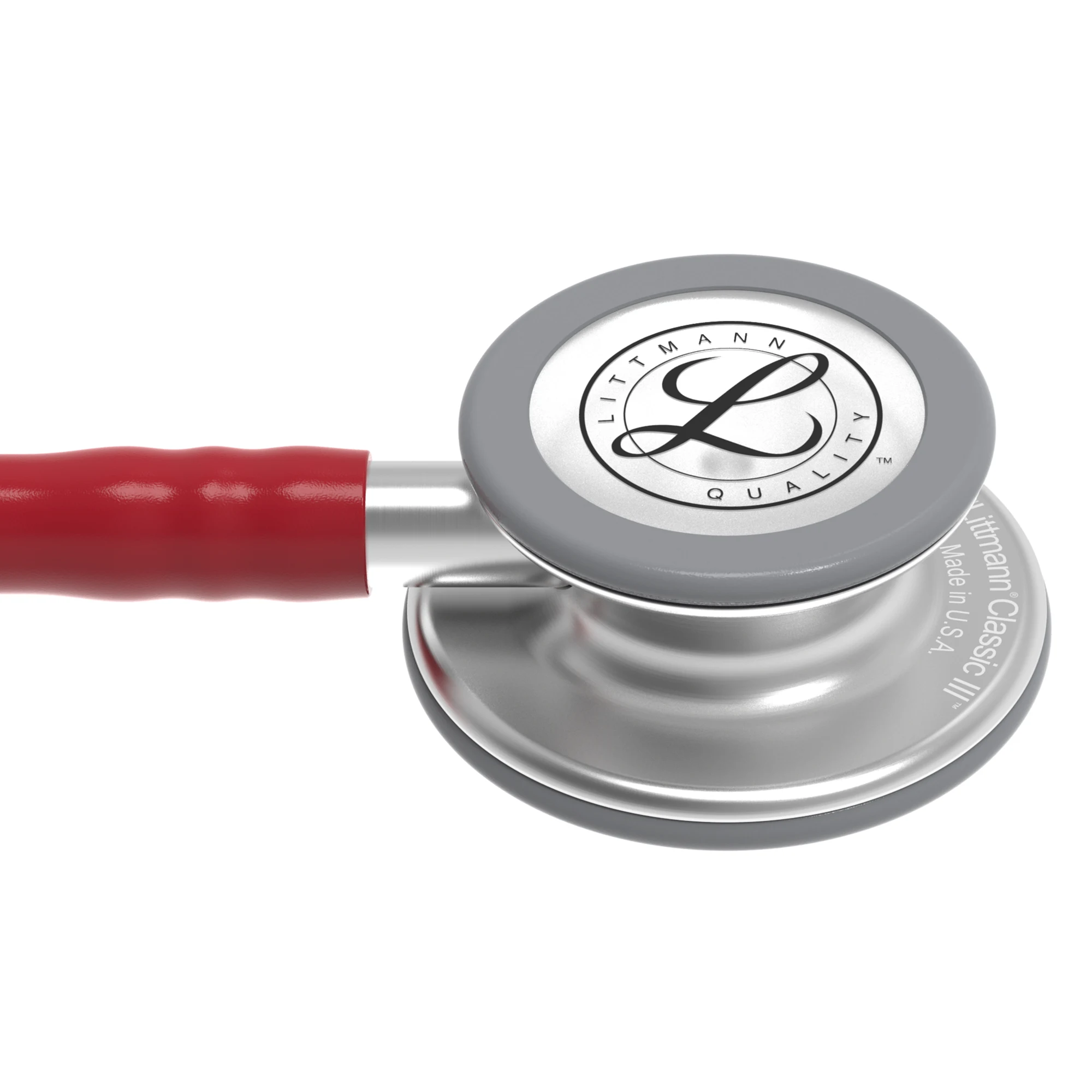
- Littmann tunable diaphragm. On the Classic III and Cardiology IV both sides have one. Light pressure brings out low-frequency sounds and firmer pressure brings out high-frequency sounds, without turning the chestpiece over. The small paediatric side converts to an open bell.
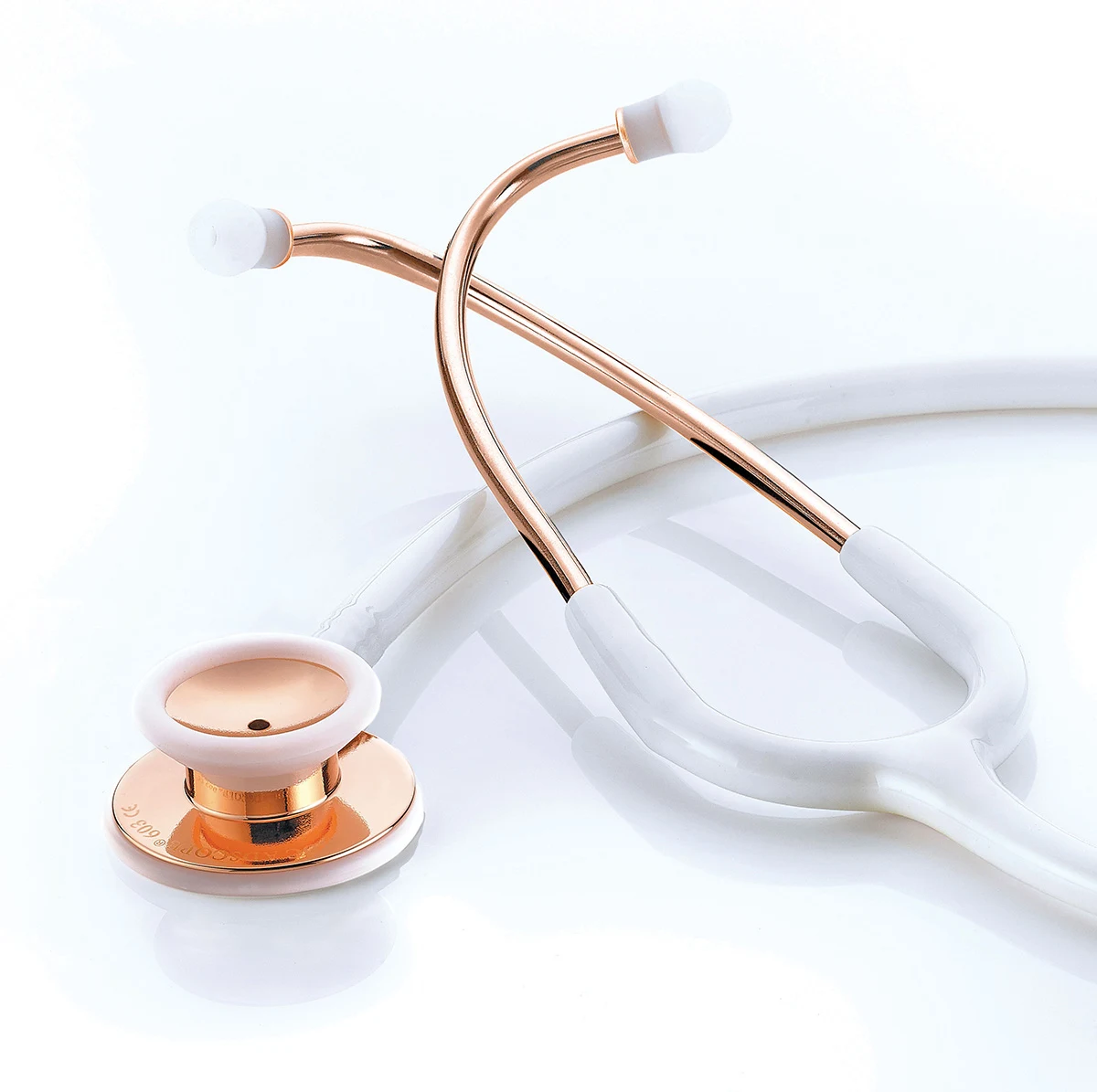
- ADC AFD diaphragm. The adjustable frequency diaphragm works on the same principle. On the Adscope 603 it sits opposite a separate bell.
- Single-sided chestpieces, such as the Littmann Master Cardiology, use pressure alone to move between low and high frequencies.
Before you listen
Set up in four steps
Angle the earpieces forward
Hold the headset in front of you with the eartips pointing away from you, then put them in. They should follow your ear canals forward and seal comfortably. Eartips pointing backwards are the most common reason a stethoscope sounds faint.
Open the side you want
On a two-sided chestpiece, turn it at the stem until it clicks into place, then tap the diaphragm lightly. If you hear the tap clearly, that side is open.
Warm the chestpiece
Rub the diaphragm and bell between your hands for a few seconds. A cold chestpiece makes patients tense, and tense muscles add noise.
Position the patient and the room
Ask the patient to sit or lie so you can reach the areas you need. Turn off what you can (fans, the TV) and expose the skin: never listen through clothing.
Diaphragm or bell: what to use when
The standard teaching is that the diaphragm, pressed firmly, picks up high-pitched sounds, and the bell, or a tunable diaphragm held lightly, picks up low-pitched sounds. Not every murmur is low-pitched, so listen with both at each area.
| Sound | Pitch | Listen with |
|---|---|---|
| First and second heart sounds (S1, S2) | High | Diaphragm, firm pressure |
| Third and fourth heart sounds (S3, S4) | Low | Bell, or tunable diaphragm with light pressure |
| Mitral stenosis (diastolic rumble) | Low | Bell or light pressure at the apex |
| Aortic and mitral regurgitation | High | Diaphragm, firm pressure |
| Breath sounds, wheeze and crackles | High | Diaphragm |
| Bowel sounds | High | Diaphragm |
| Bruits (carotid, abdominal) | Low | Bell, or light pressure |
Listening to the heart
The four areas, in order
Aortic area
Second intercostal space at the right sternal edge.
Pulmonary area
Second intercostal space at the left sternal edge.
Tricuspid area
Fourth or fifth intercostal space at the left lower sternal edge.
Mitral area
The apex, usually the fifth intercostal space in the mid-clavicular line.
At each area, listen first with firm pressure and then with light pressure (or the bell). Feel the carotid pulse while you listen: the sound that comes with the pulse is S1, which tells you which part of the cycle is systole. Listen for extra sounds, murmurs and an irregular rhythm.
Listening to the lungs
Ask the patient to breathe in and out through the mouth, a little deeper than normal. Listen to a full breath at each point, front and back, and always compare one side with the same point on the other side.
- Start at the apices, above the clavicles, and work down the front.
- Listen in the axillae for the lateral parts of the lungs.
- Work down the back, between and below the shoulder blades, side to side.
- Note the breath sounds (normal, reduced or bronchial) and any added sounds: wheeze, crackles or a pleural rub.
Listening to the abdomen
Listen before you palpate, because pressing on the abdomen can change bowel sounds. Use the diaphragm in all four quadrants and listen for long enough before deciding sounds are absent. Then listen with light pressure, or the bell, over the aorta and renal areas for bruits.
Cleaning and caring for your stethoscope
- Wipe the diaphragm, bell and eartips with an alcohol wipe or a soft, damp cloth after each patient.
- Check the tubing for cracks and the eartips for splits from time to time.
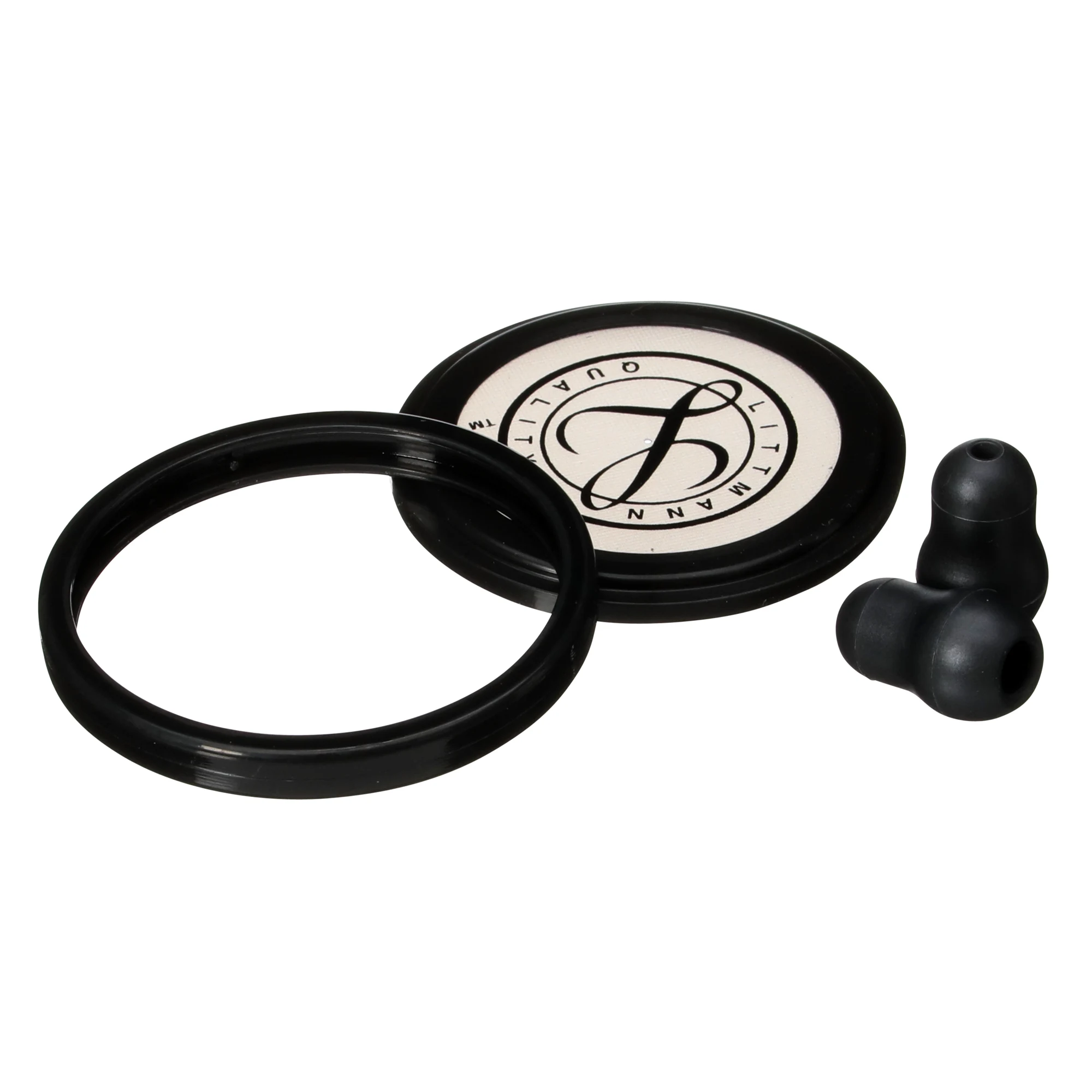
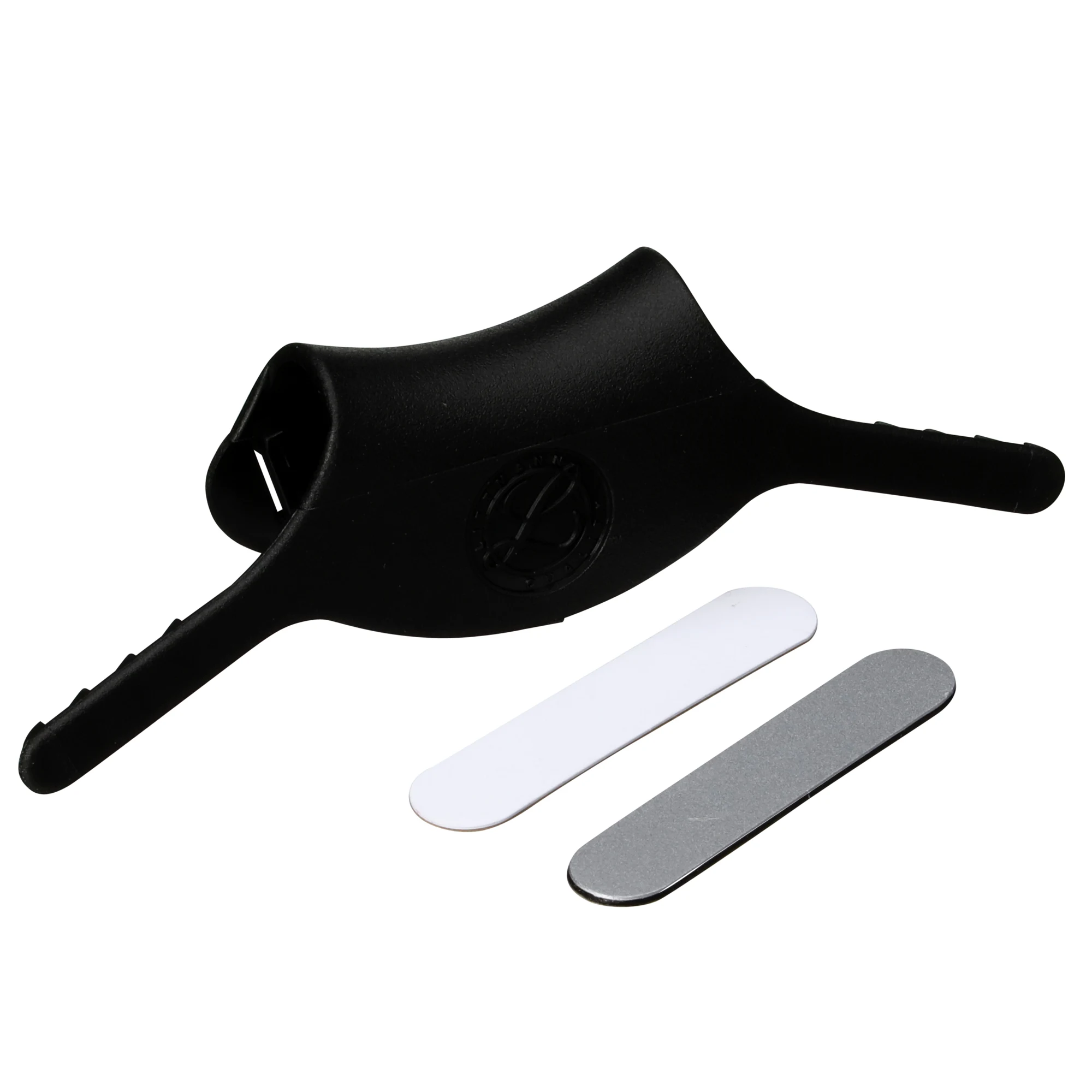
- Replace worn diaphragms and eartips with the spare parts kit for your model, rather than replacing the stethoscope.
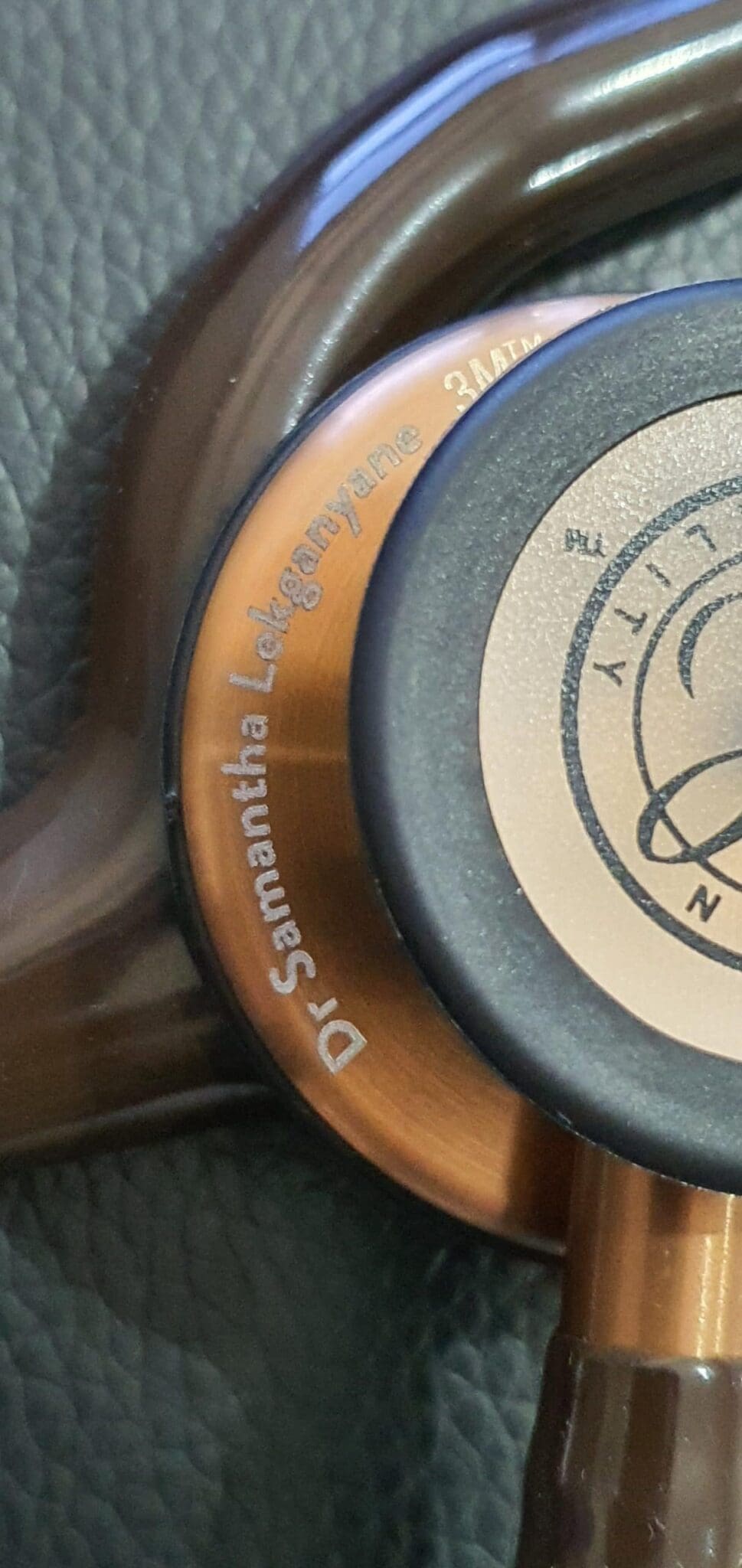
- Put your name on it. We laser-engrave Littmann and ADC stethoscopes, usually on the same day: see our engraving guide.
Littmann spare parts kits

Littmann Spare Parts/Accessories
Littmann Stethoscope Spare Parts Kit - Classic III/Cardiology IV - Black
5.0 (1)

Choosing a stethoscope to learn on
Any good acoustic stethoscope will teach you these sounds. The Littmann Lightweight II S.E. suits blood pressures and routine observations, the Classic III is the everyday choice for medical students, and the ADC Adscope 603 is a stainless steel dual-head at a lower price. Doctors in acute and cardiac work often move up to the Cardiology IV.
A stethoscope for every stage
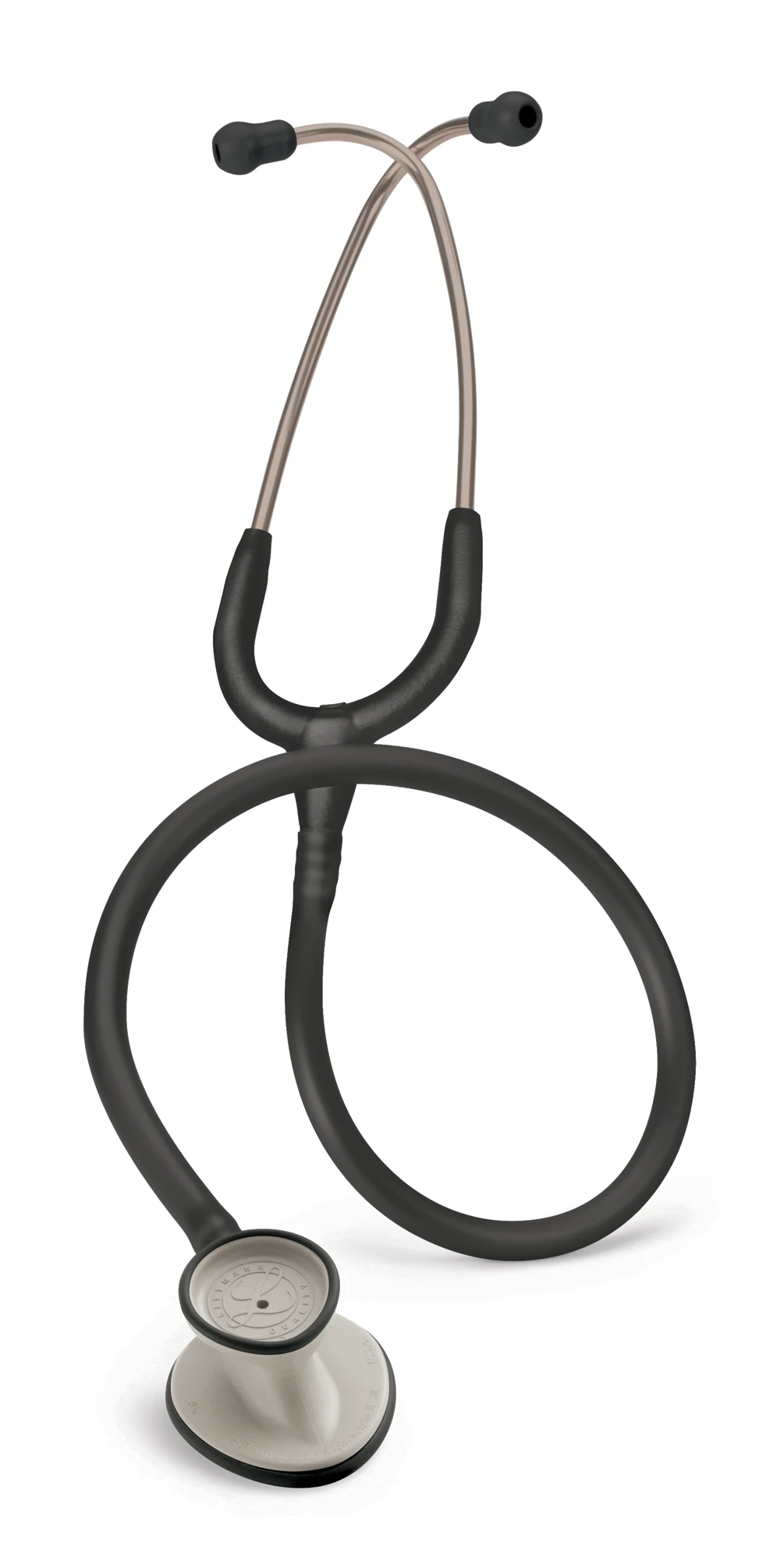

Littmann Classic III Stethoscopes
Littmann Classic III - Burgundy - Stainless Steel Stethoscope
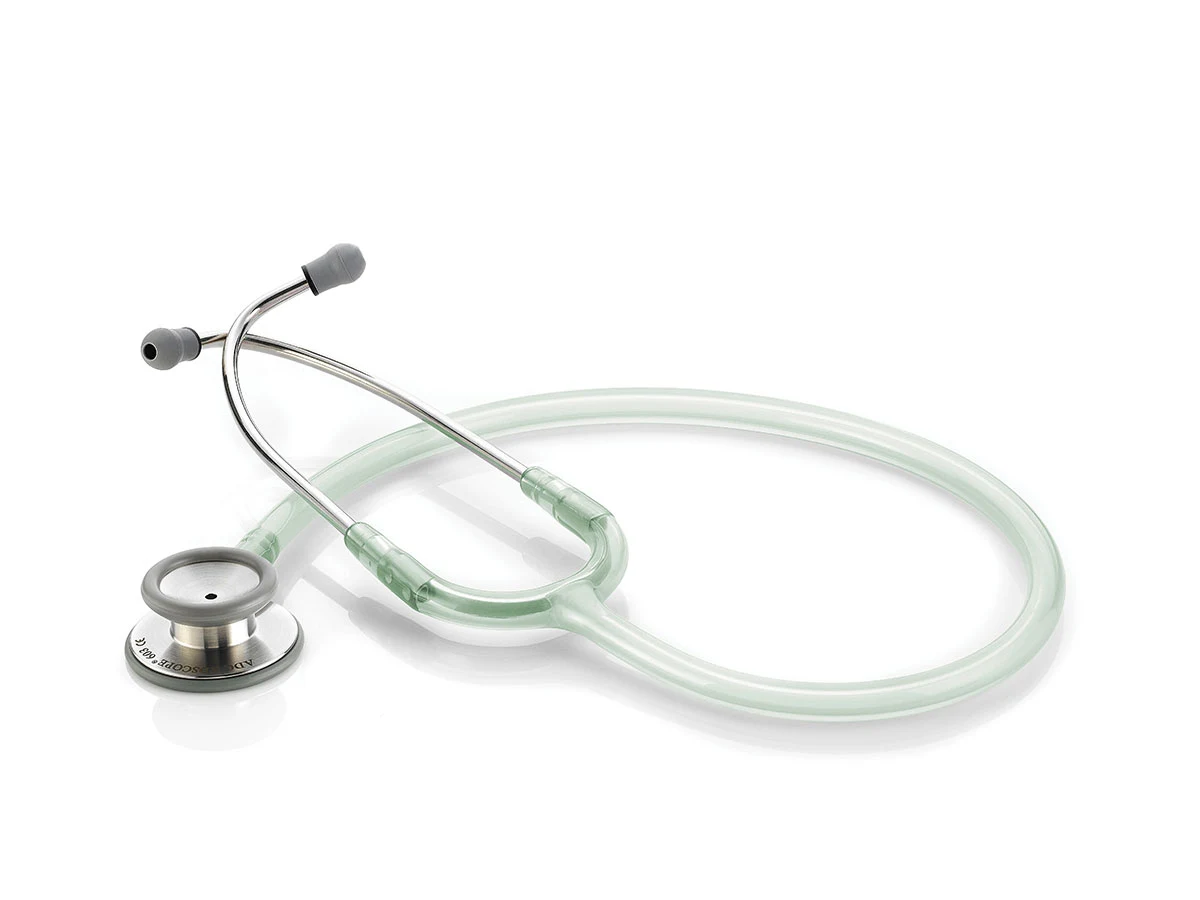

Littmann Cardiology IV Stethoscopes
Littmann Cardiology IV - Black - Stainless Steel Stethoscope
For help choosing, read Littmann Classic III vs Cardiology IV and ADC vs Littmann stethoscopes.
Questions people ask
Which way should stethoscope earpieces face?
Forward, towards your nose, so the eartips follow your ear canals. Earpieces pointing backwards block the sound and are the most common reason a stethoscope sounds faint.
Why can I not hear anything through my stethoscope?
Usually the wrong side of the chestpiece is open, or the earpieces face backwards. Turn the chestpiece at the stem until it clicks, tap the diaphragm to check, and make sure the eartips point forward.
When should I use the bell instead of the diaphragm?
For low-pitched sounds: the third and fourth heart sounds, the diastolic rumble of mitral stenosis, and bruits. On a tunable or AFD diaphragm you get the same effect by holding the diaphragm with light pressure.
Can I listen through clothing?
No. Clothing muffles sounds and adds rubbing noise. Always place the chestpiece on skin.
How do I clean my stethoscope?
Wipe the diaphragm, bell and eartips with an alcohol wipe or a soft, damp cloth after each patient, and replace worn diaphragms and eartips with your model's spare parts kit.

Written by
Ashraf Moosa