The core bedside tools have not changed in purpose for a century: listen to the chest, look in the ear and eye, measure blood pressure, check oxygen. What has changed is how they do it. Stethoscopes now amplify and record, diagnostic lights have moved from halogen to LED, and blood pressure and oxygen saturation can be read automatically.
What changed, in short
- Stethoscopes: from Laennec's 1816 tube to acoustic, then digital models that amplify and cancel noise.
- Diagnostic sets: from halogen bulbs to LED heads that run on AA or C batteries.
- Blood pressure: from manual aneroids to automatic upper-arm and wrist monitors.
- Oxygen: from blood gas samples to fingertip pulse oximeters.
The stethoscope: from a paper tube to digital
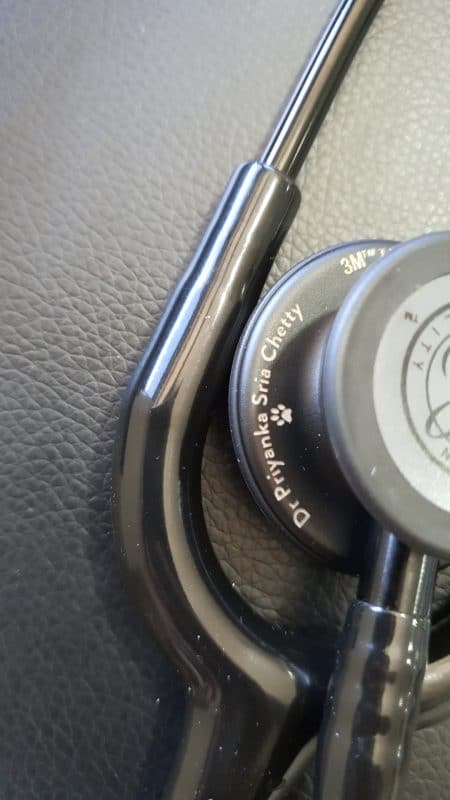
René Laennec invented the stethoscope in 1816, first as a rolled tube and then a wooden one. It changed diagnosis by letting a doctor hear the heart and lungs clearly, and two centuries later it is still the symbol of the profession. The acoustic stethoscope most students buy today works on the same principle: a chestpiece picks up sound and tubing carries it to the ears.
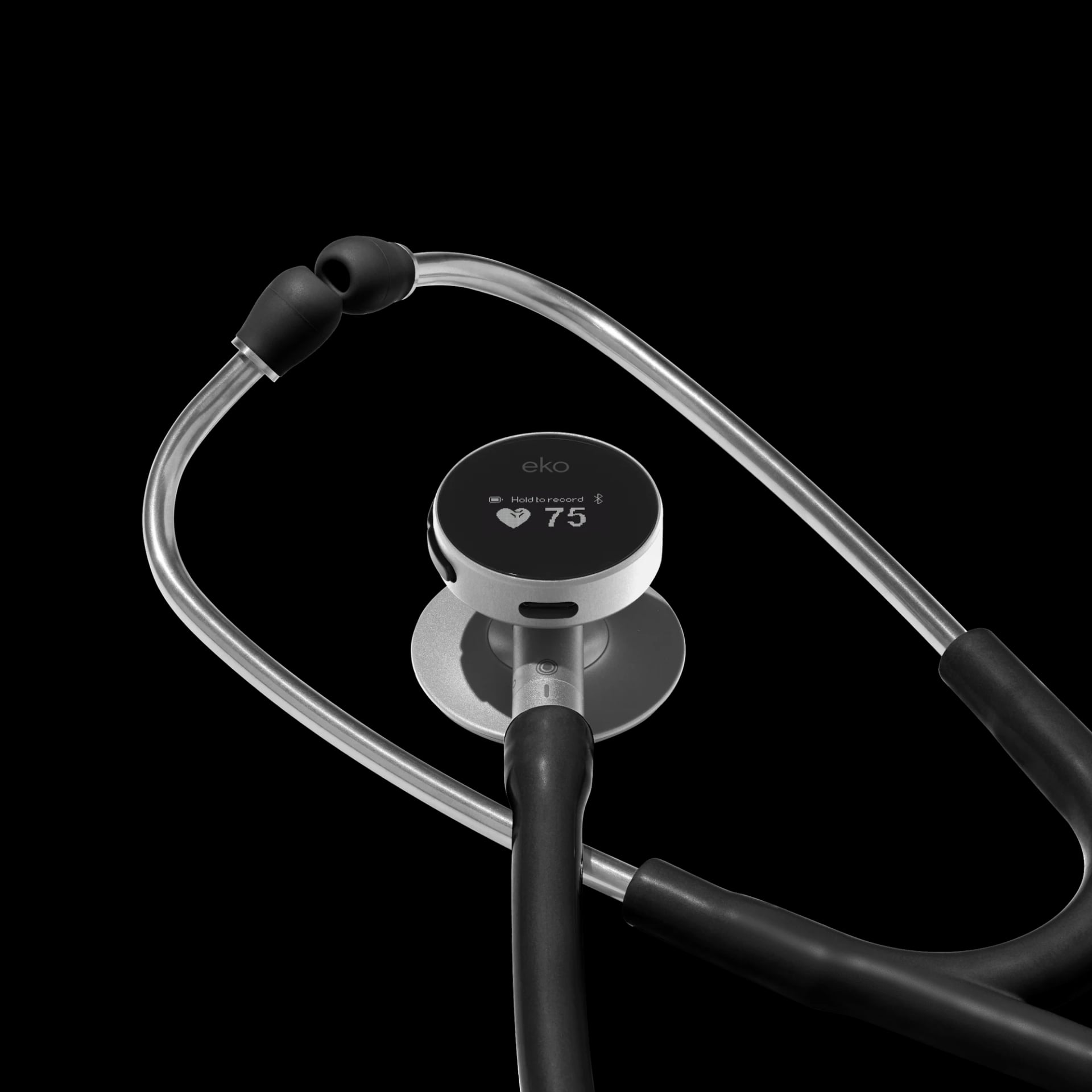
Digital stethoscopes add electronics to that chestpiece. The Eko CORE 500 amplifies sound up to 40 times with noise cancellation and adds a 3-lead ECG and a colour display. The Eko CORE 300 is a hybrid: acoustic and digital in one, twist to switch. The CORE Digital Attachment turns most acoustic stethoscopes digital.
Three ways into digital auscultation
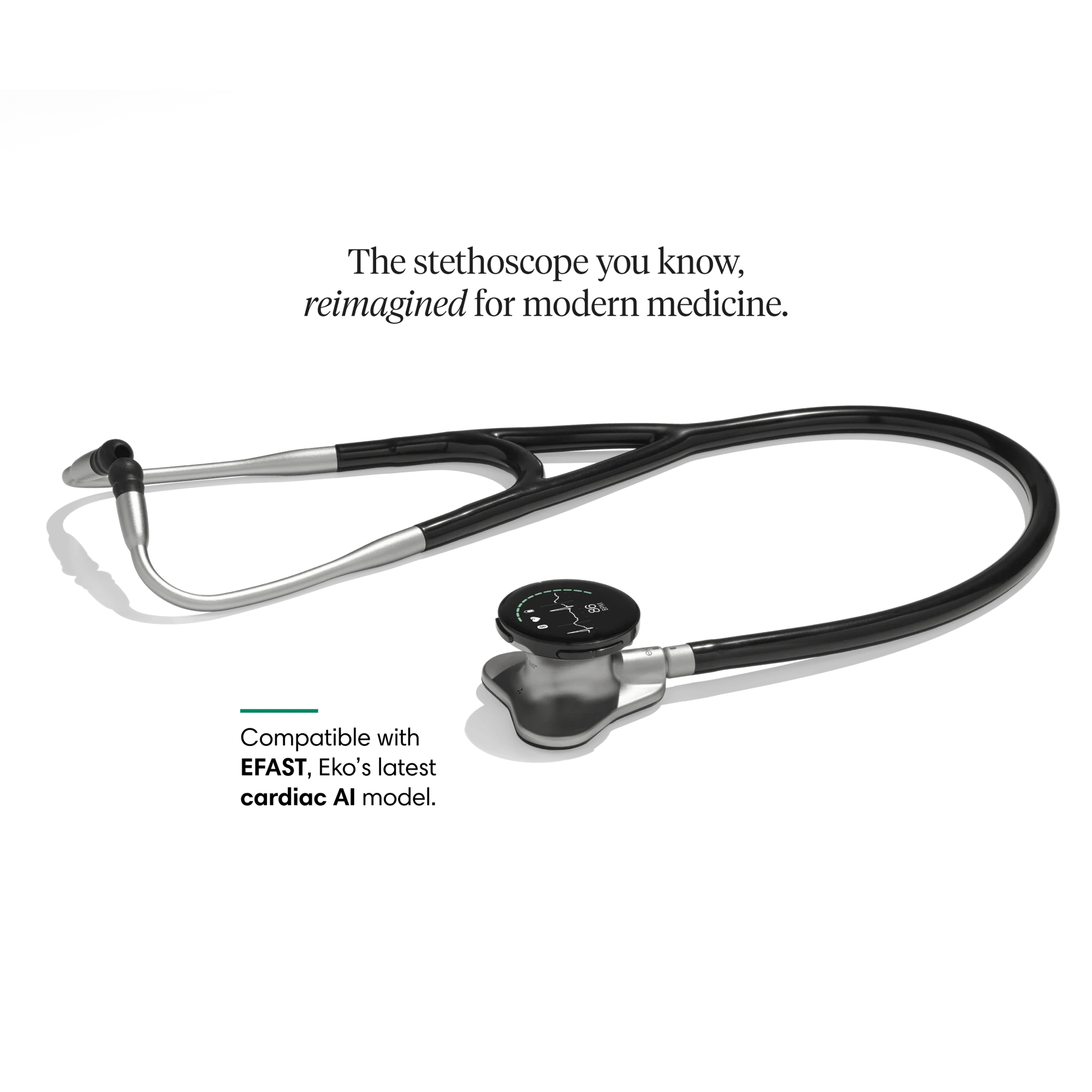 From R12 499 | 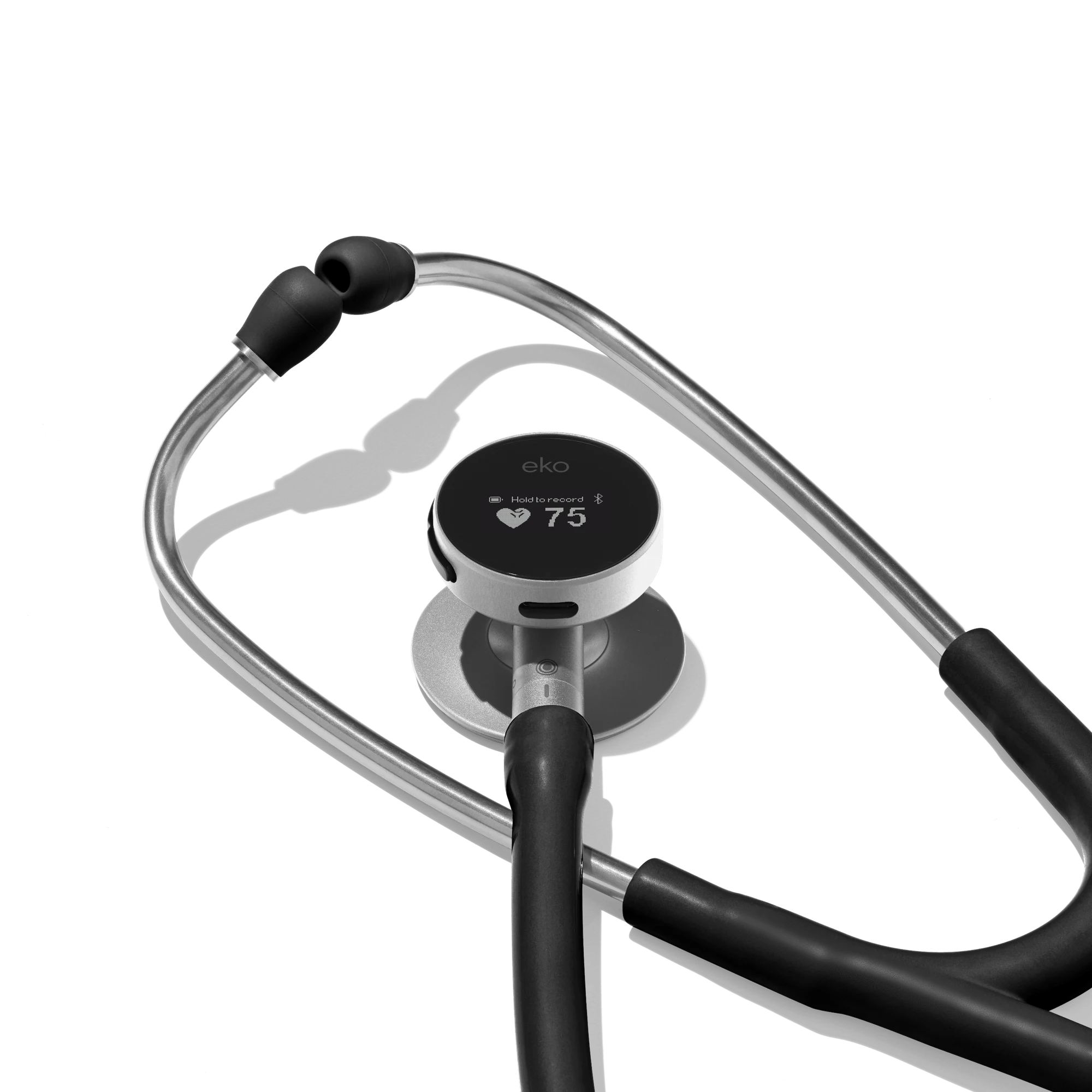 From R7 499 | 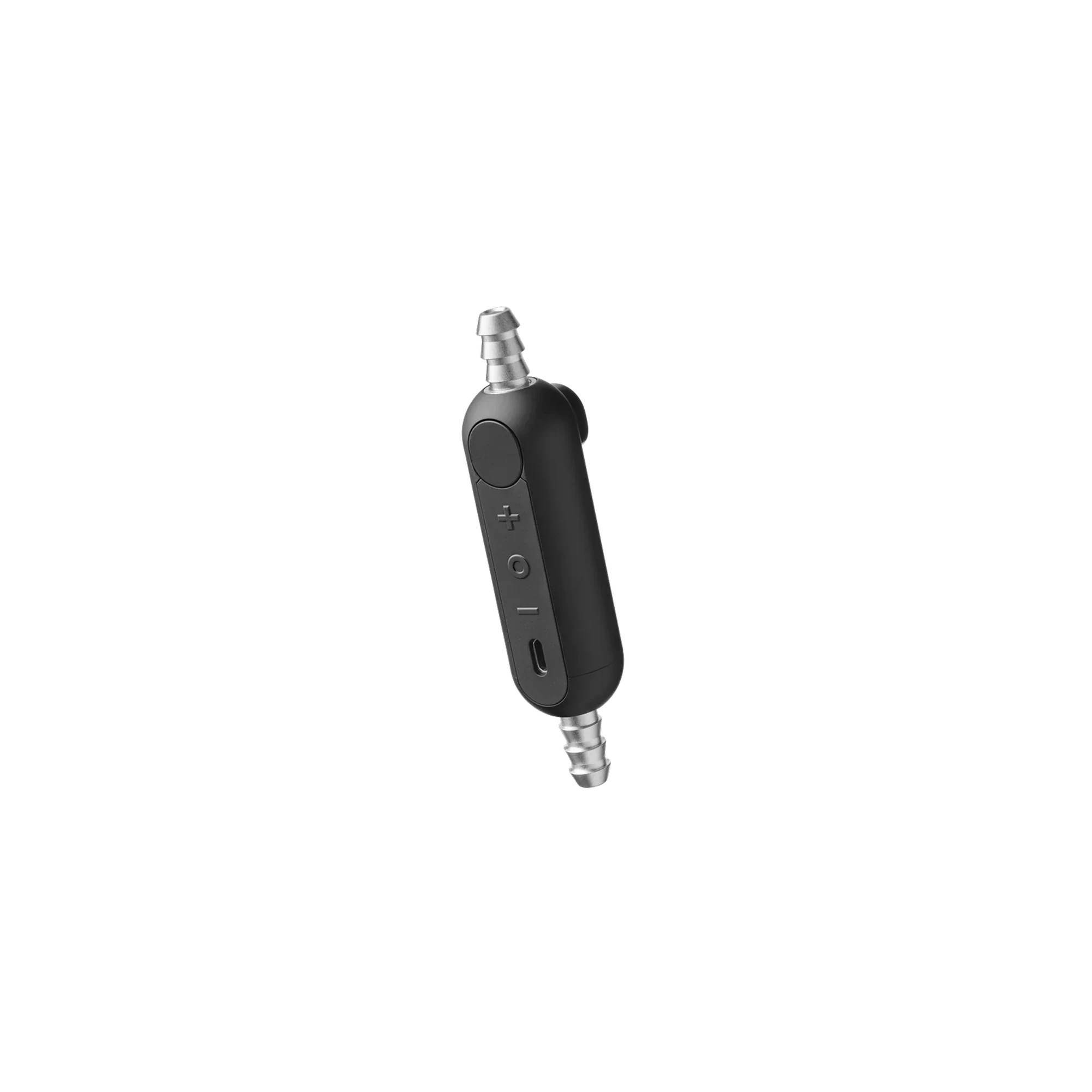 R7 999 | |
|---|---|---|---|
| What it is | Digital stethoscope | Hybrid acoustic and digital stethoscope | Add-on for most acoustic stethoscopes |
| Amplification | Up to 40x | Up to 35x | Up to 40x |
| Notable | 3-lead ECG, colour display, noise cancellation | Twist to switch modes, up to 120 hours per charge | Noise cancellation, Bluetooth, one-click analogue |
Our verdict
Learn to auscultate on an acoustic stethoscope first. Digital is most useful where you need amplification, noise cancellation or a recording.
Looking in: from oil lamps to LED
Before instruments carried their own light, examining the eye meant reflecting light from a lamp. In 1915 Dr Francis Welch and William Noah Allyn developed the first hand-held, direct-illuminating ophthalmoscope, and founded Welch Allyn on it. Since then, diagnostic heads have gone from bulbs to halogen and now to LED, which gives a bright, white light from small batteries.
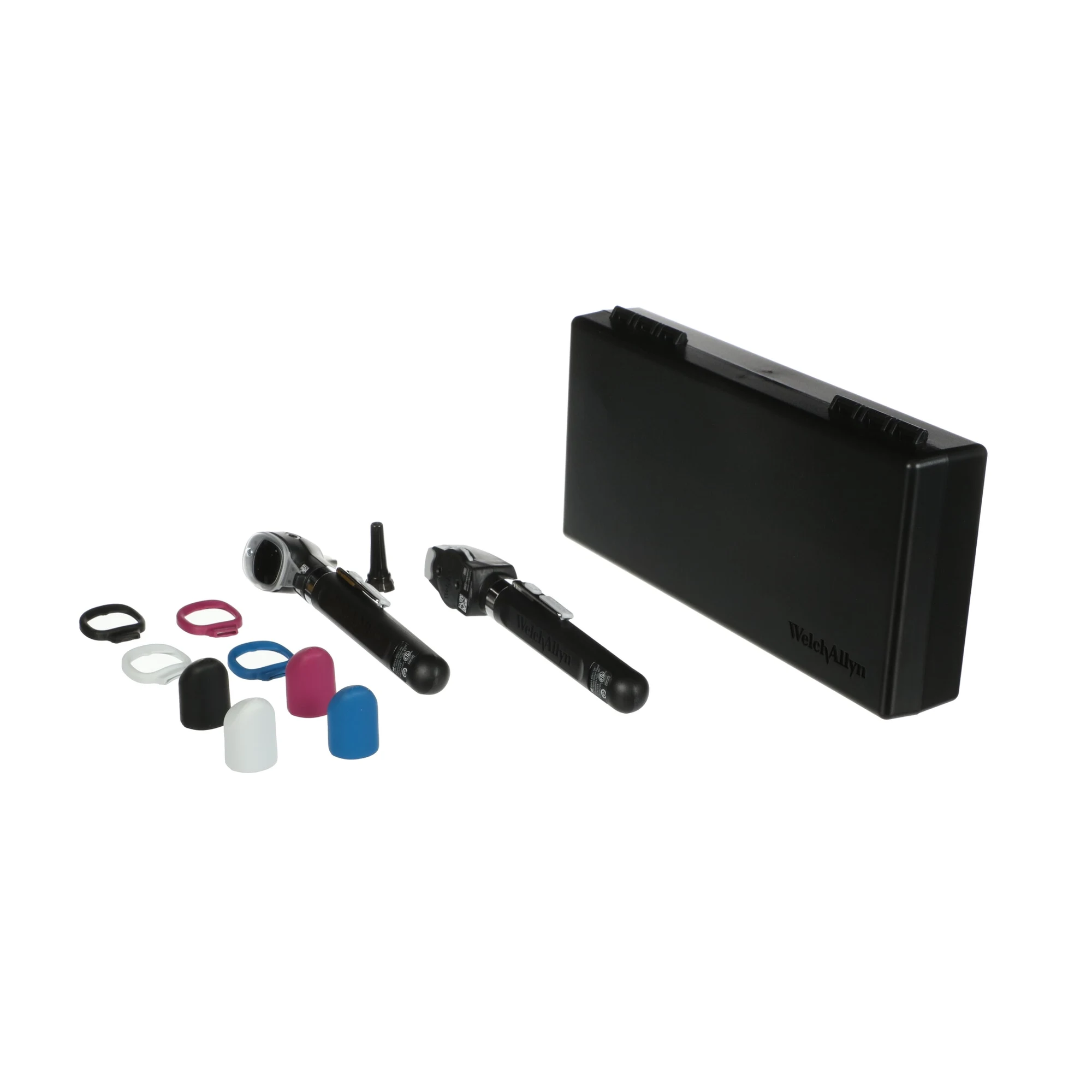
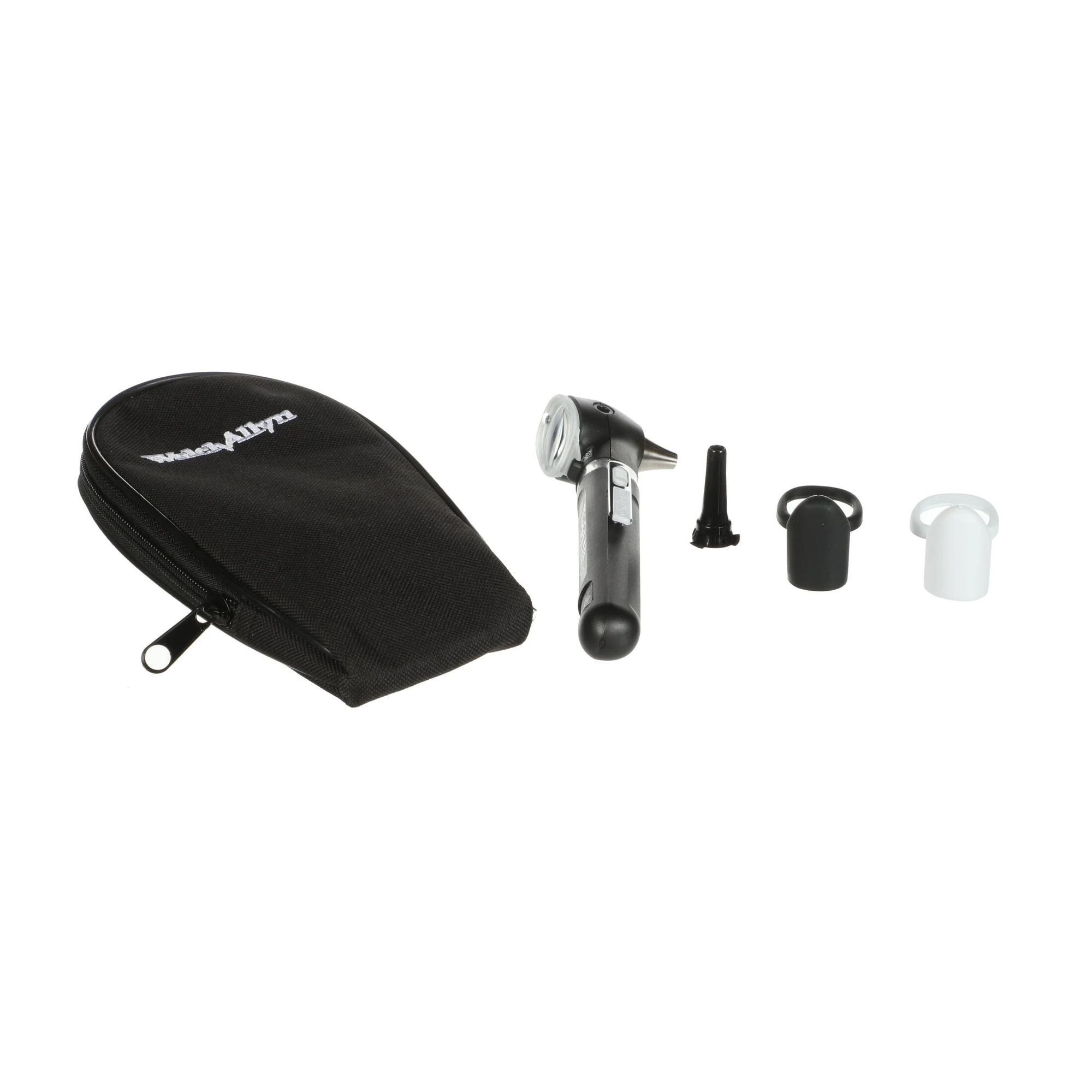
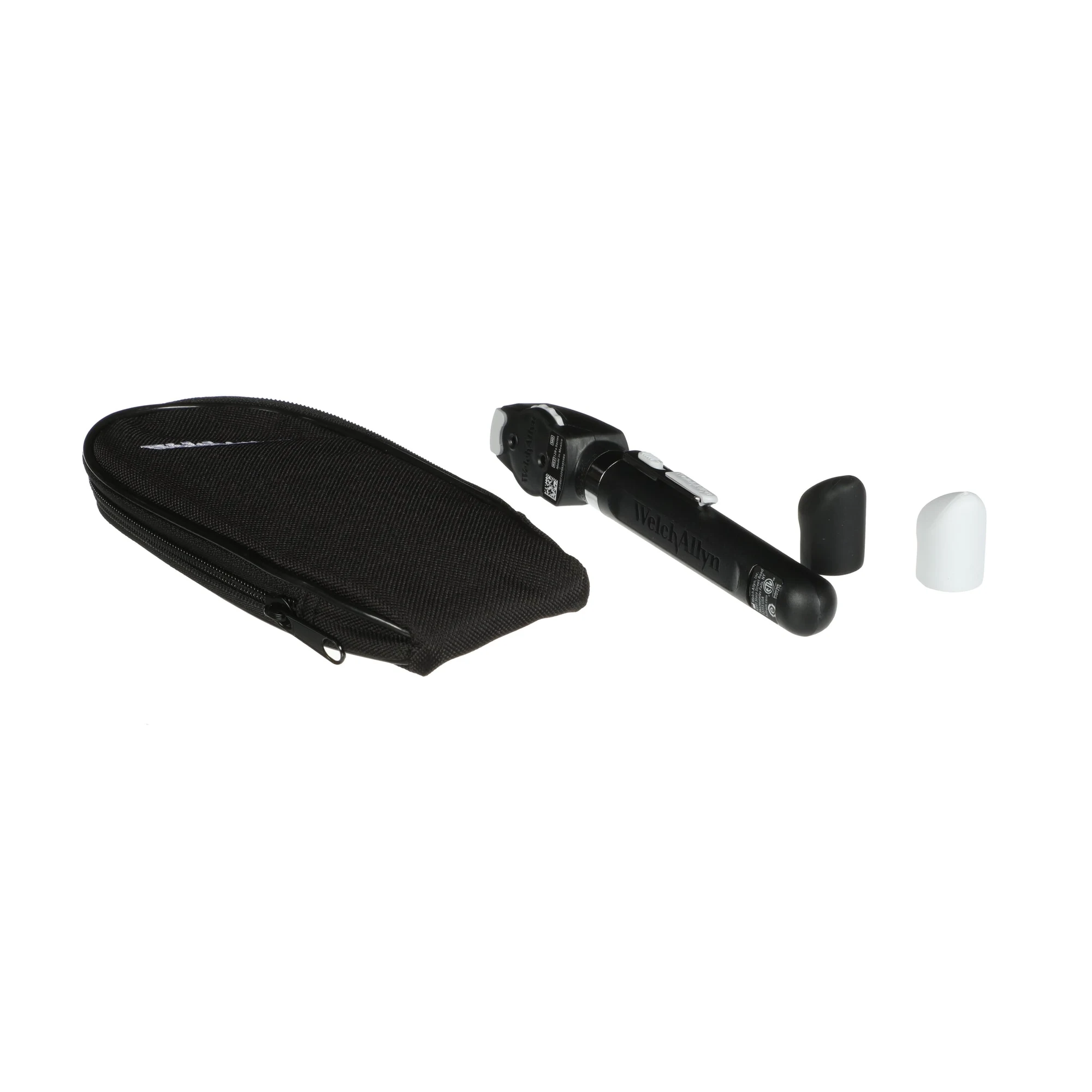
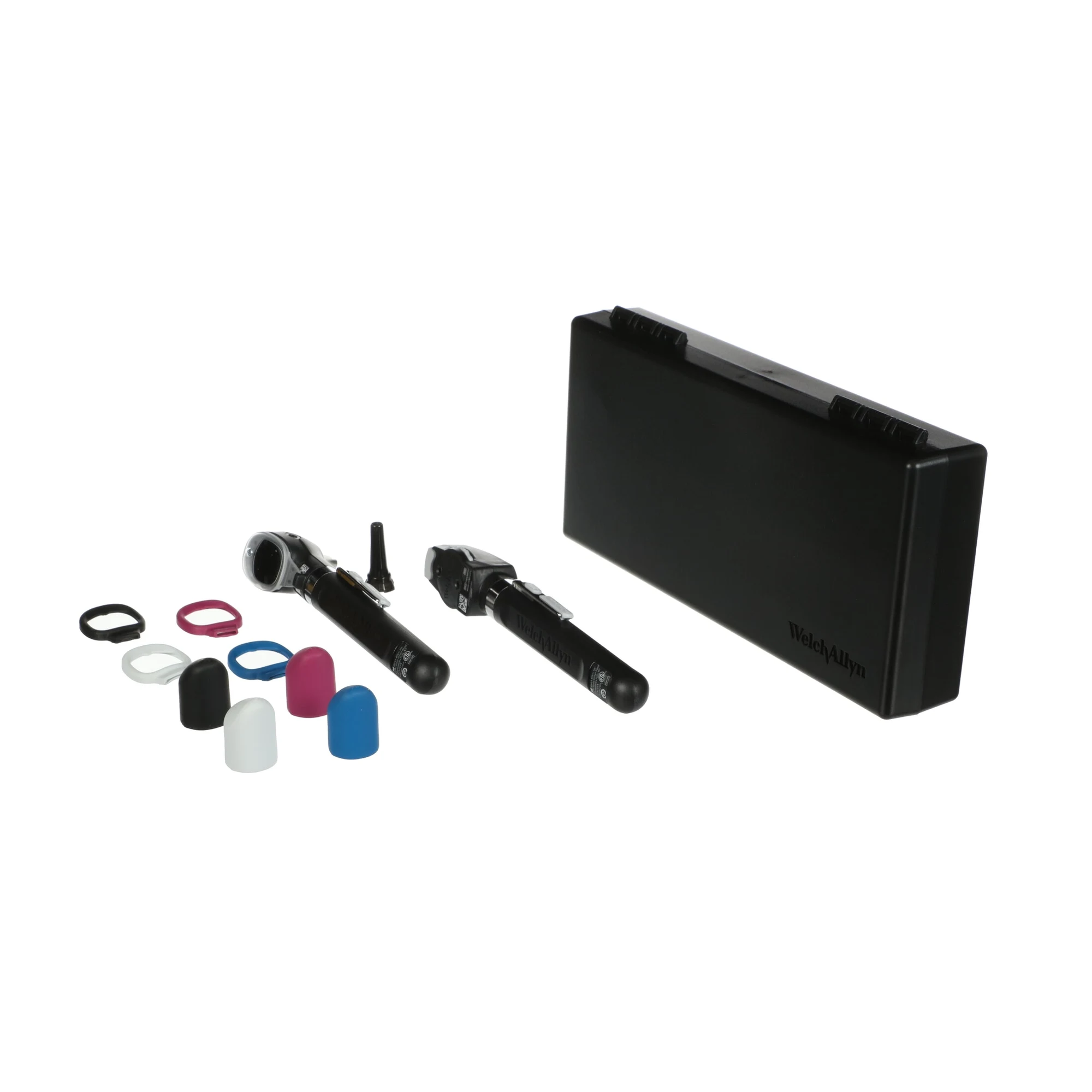
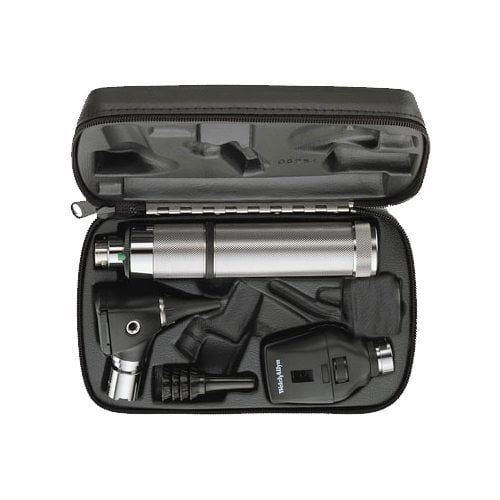
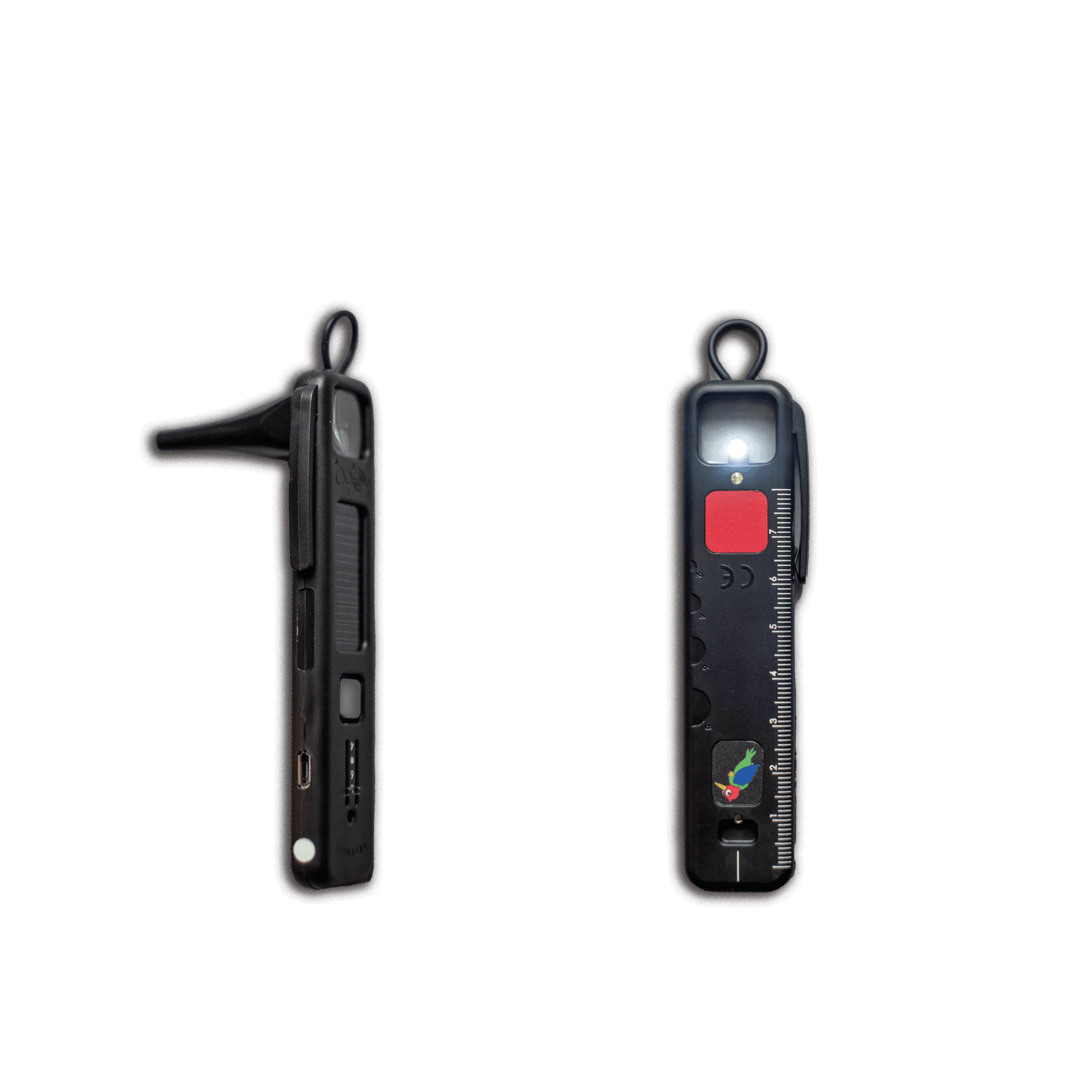
The Welch Allyn Pocket LED set (92871) pairs an LED otoscope with an LED ophthalmoscope (−20 to +20 dioptres) and runs on AA batteries. The Pocket LED Plus (92880) has a 6-lumen LED otoscope and an ophthalmoscope with a neutral-density filter. For the full-size set, the Professional Plus 97250-BIL is the LED version of the classic C-cell set. The Arclight goes further still: ophthalmoscope, otoscope and loupe in one pocket device, charged by solar or USB-C.
LED diagnostic sets
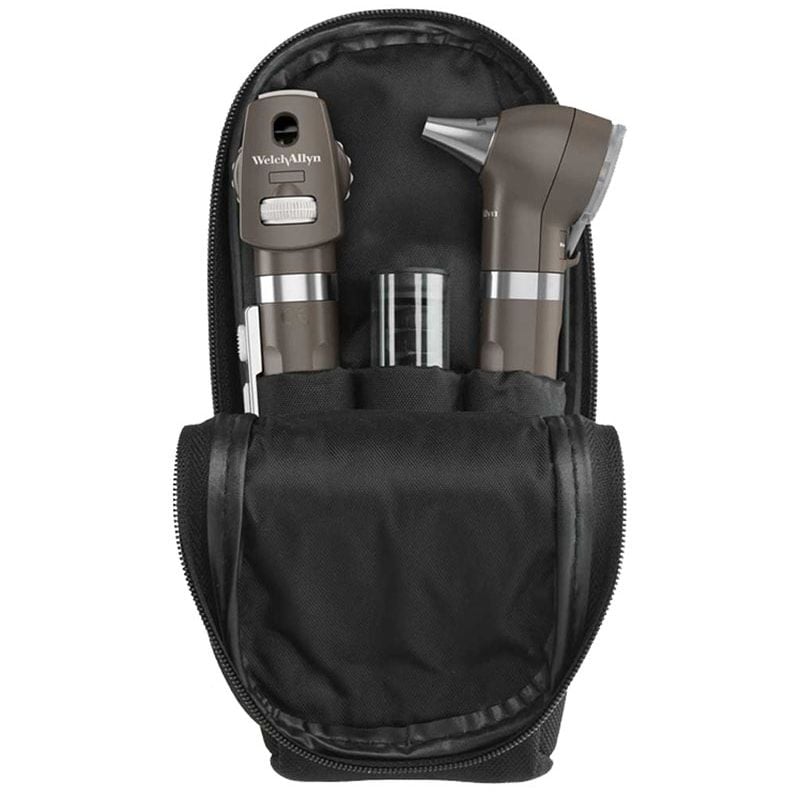
Otoscopes and Ophthalmoscopes
Welch Allyn 92871 Pocket LED Diagnostic Set (Otoscope & Ophthalmoscope)
Blood pressure: from the cuff and dial to automatic
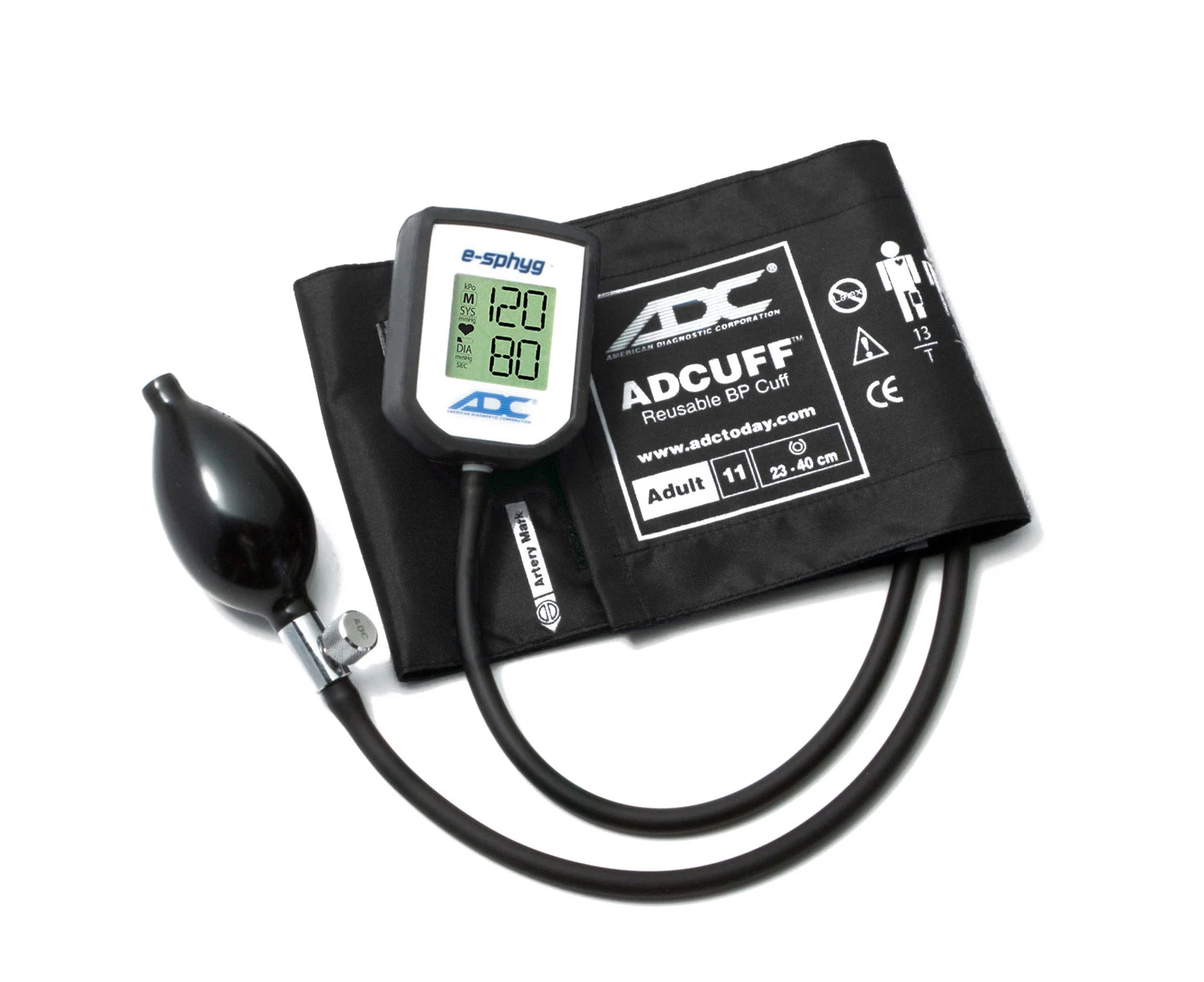
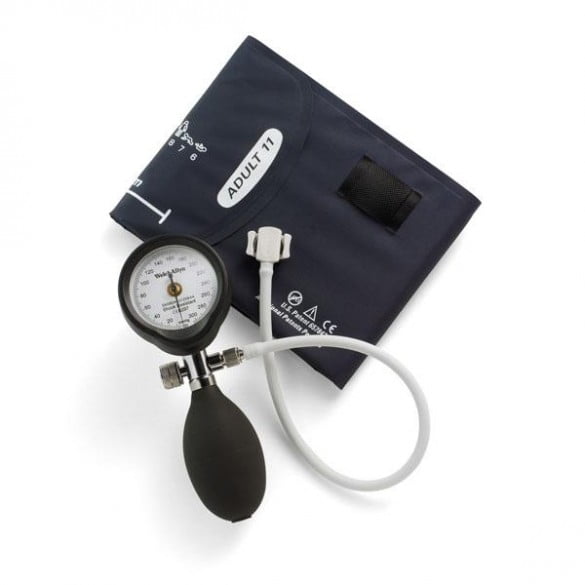
The inflatable cuff and the Korotkoff sounds heard through a stethoscope, described in the early 1900s, are still how blood pressure is taught and checked by hand. A good aneroid like the Welch Allyn DuraShock DS54 uses a gear-free movement accurate to ±3 mmHg. The ADC e-sphyg keeps the manual method but swaps the dial for a backlit digital display with systolic assist.
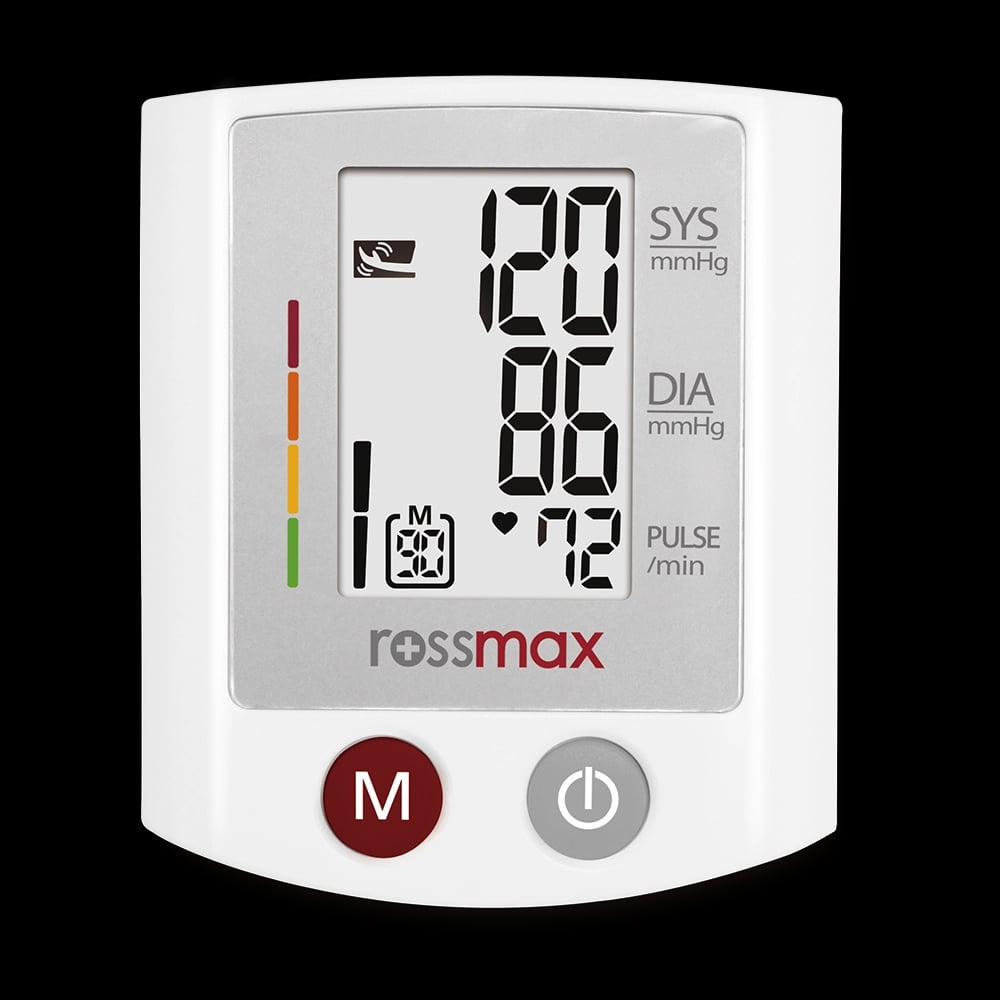
Automatic monitors do the inflation and reading for you. The Rossmax CH155F is an upper-arm monitor with movement and irregular heartbeat detection and a 90-reading memory; the Rossmax S150 is a wrist monitor that controls deflation electronically while it reads the pulse.
Manual, digital and automatic blood pressure
 R1 599 | 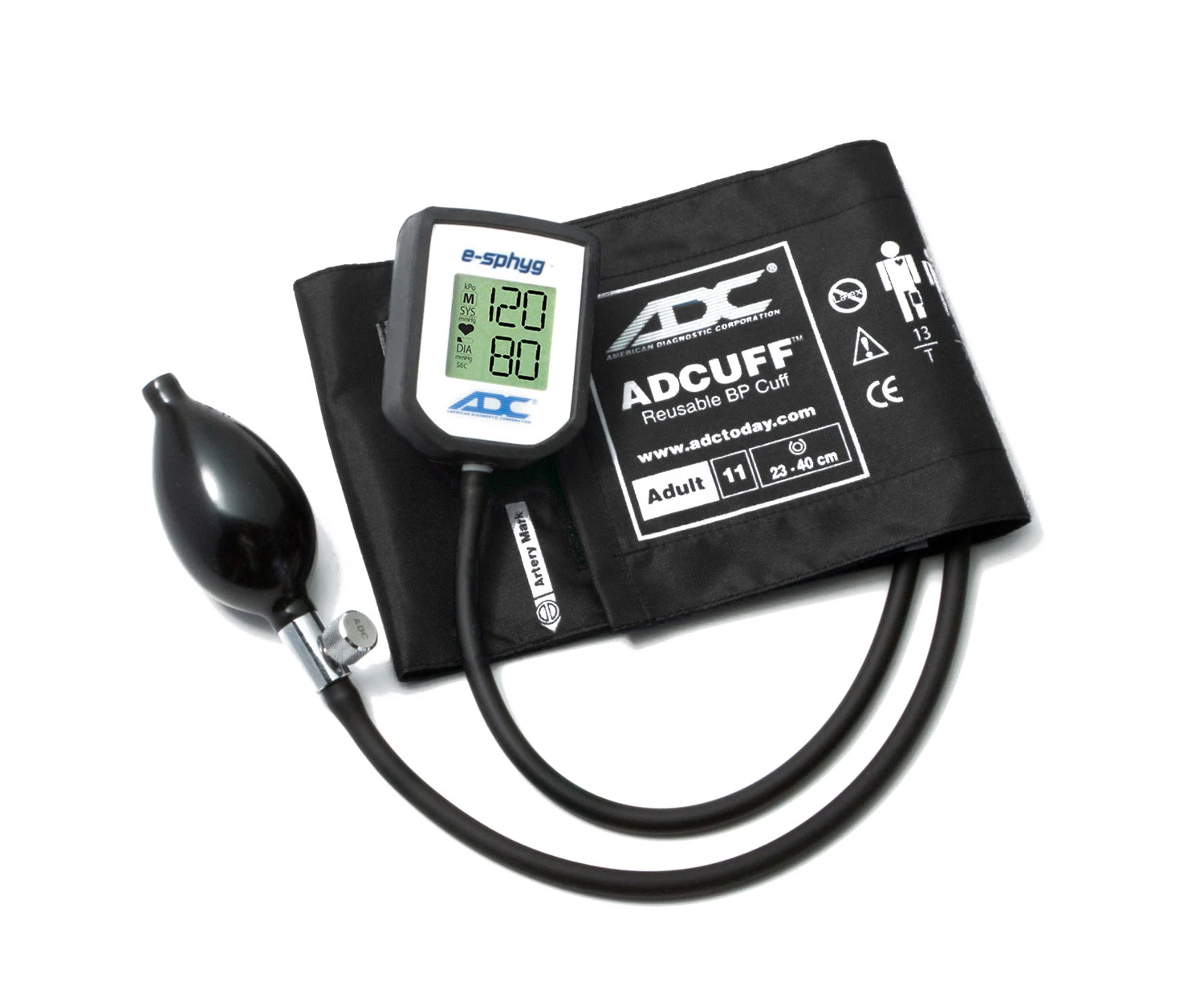 R1 499 | 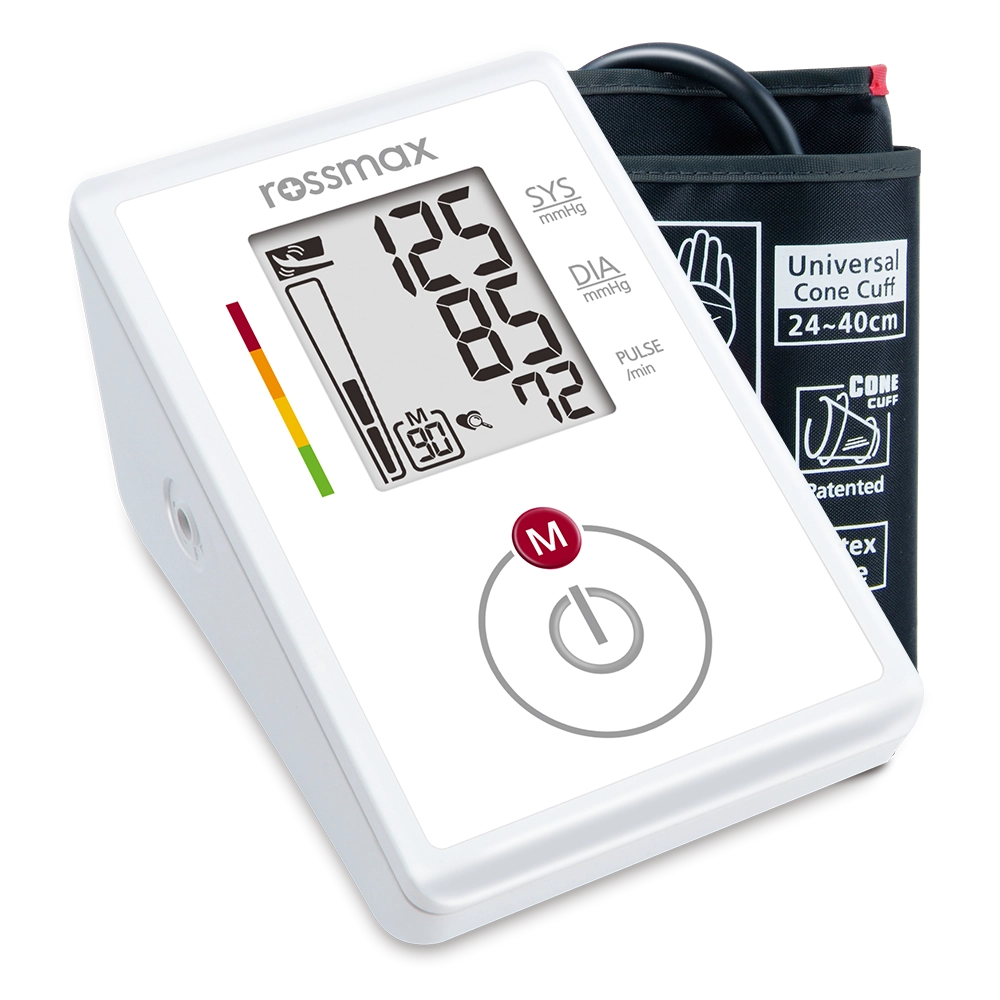 From R465 | 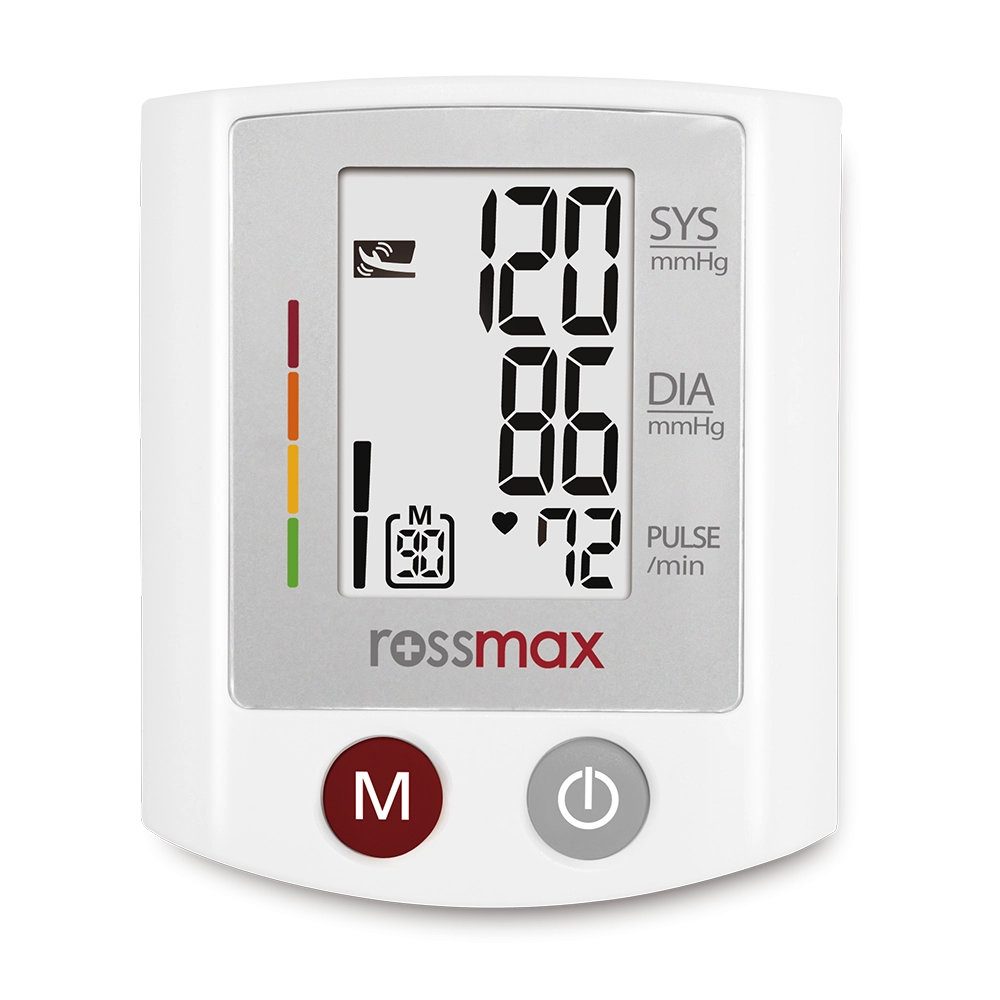 R549 | |
|---|---|---|---|---|
| Type | Handheld aneroid | Digital aneroid | Automatic, upper arm | Automatic, wrist |
| You need a stethoscope | Yes | Yes | No | No |
| Notable | Gear-free, ±3 mmHg, 360° gauge | Backlit LCD, systolic assist, drop-resistant | Irregular heartbeat detection, 90-reading memory | Electronic deflation valve |
Our verdict
Students learning the technique need a manual cuff; patients checking at home usually want an automatic monitor.
Oxygen at the fingertip
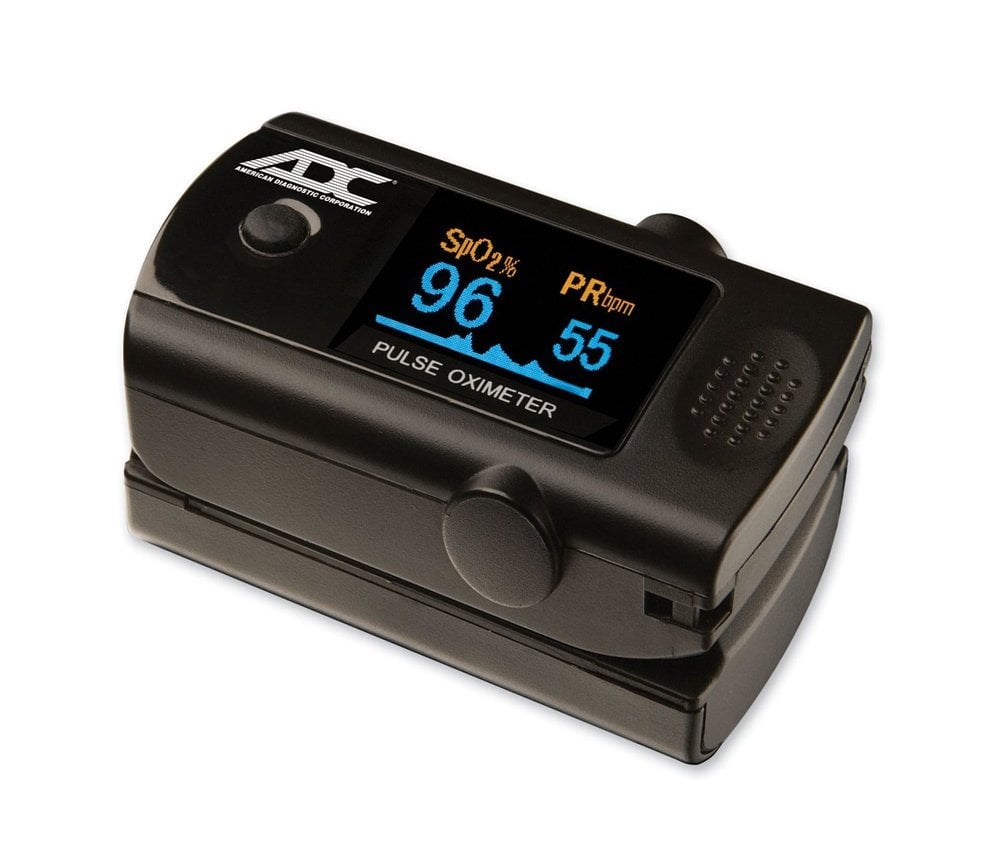
Measuring oxygen once meant an arterial blood sample. Pulse oximetry, developed in the 1970s, reads saturation through the skin using light, and fingertip oximeters have made it a routine vital sign on every ward round.
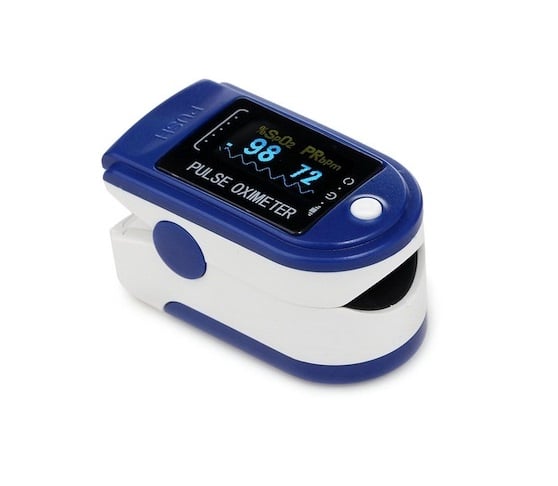
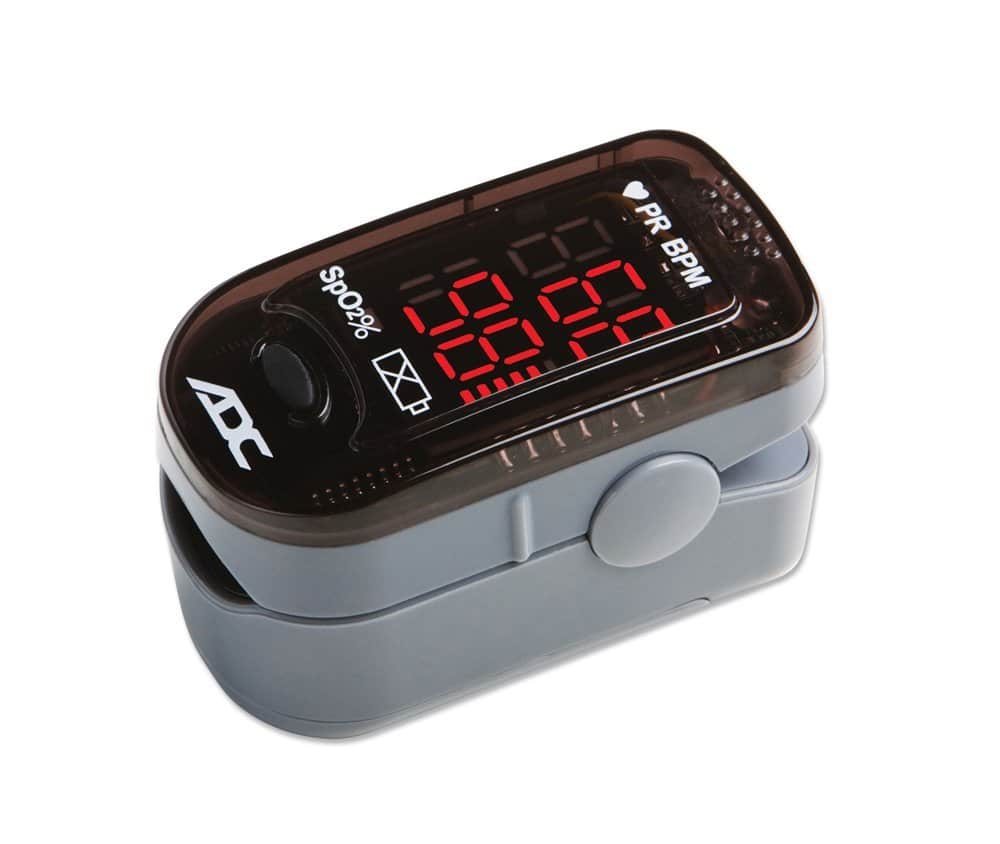
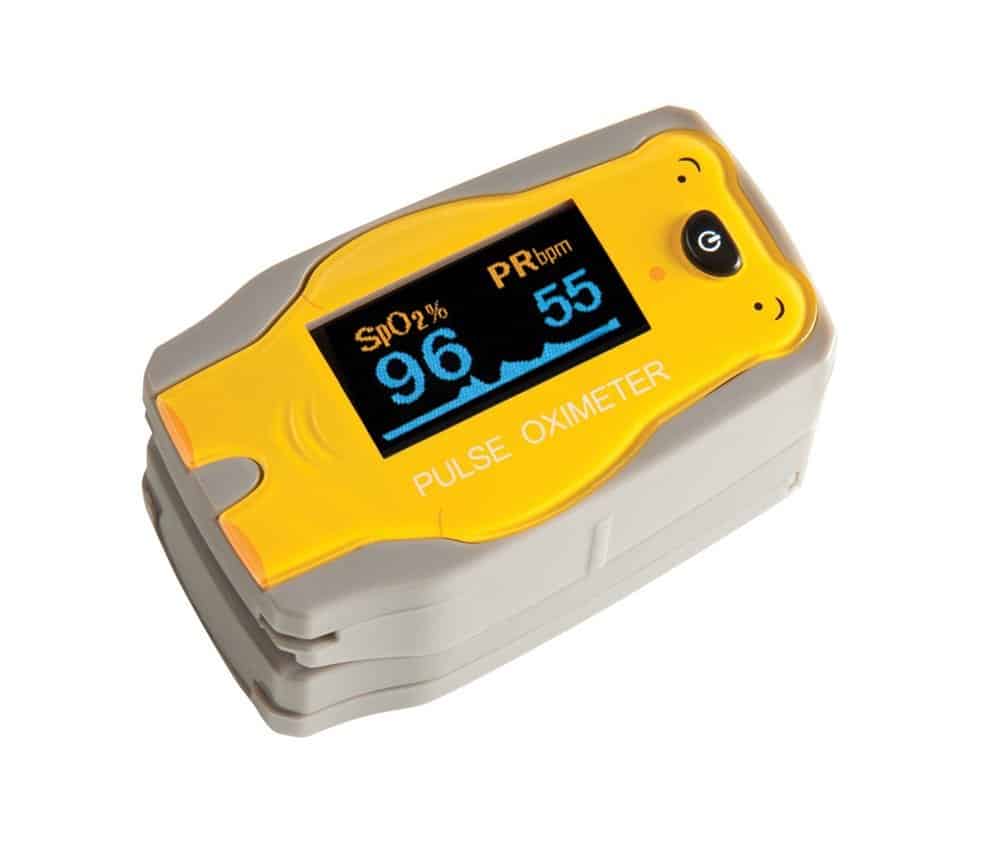
The Contec CMS-50D shows SpO₂, pulse rate, a waveform and a bar graph. The ADC Advantage 2200 reads SpO₂ to ±2% and pulse to ±5 bpm, the ADC Diagnostix 2100 adds a dual-colour OLED display and a rubber bumper, and the ADC Adimals 2150 is sized for children's fingers.
Fingertip pulse oximeters
What this means when you buy
New technology is worth paying for when it solves a problem you actually have. For most students, a reliable acoustic stethoscope, a manual BP cuff and an entry-level diagnostic set cover training. LED diagnostics, digital stethoscopes and automatic monitors earn their place in practice, where speed, recordings and battery life matter. Our medical student equipment list sets out what to buy first.
Questions people ask
Who invented the stethoscope?
René Laennec, a French physician, in 1816. His first version was a rolled paper tube, followed by a wooden one.
What does a digital stethoscope do that an acoustic one doesn't?
It amplifies sound and can cancel background noise. Some models, like the Eko CORE 500, add an ECG and a display, and many connect by Bluetooth.
Is LED better than halogen in a diagnostic set?
LED gives a bright, white light and is common in newer sets. Halogen sets are still in use and widely available. Check which bulb your handle and head take before buying spares.
Should students buy an automatic BP monitor?
For learning, no: you need a manual cuff and a stethoscope to practise the technique. Automatic monitors suit home checks and quick readings.

Written by
Ashraf Moosa