
Vital Signs Monitoring Equipment
26 products
Blood pressure cuffs, pulse oximeters, and thermometers for accurate patient monitoring in any clinical setting.
- Clinically validated accuracy
- Digital and manual options
- Replacement cuffs in stock
All Vitals Monitoring26 products

Medical Equipment
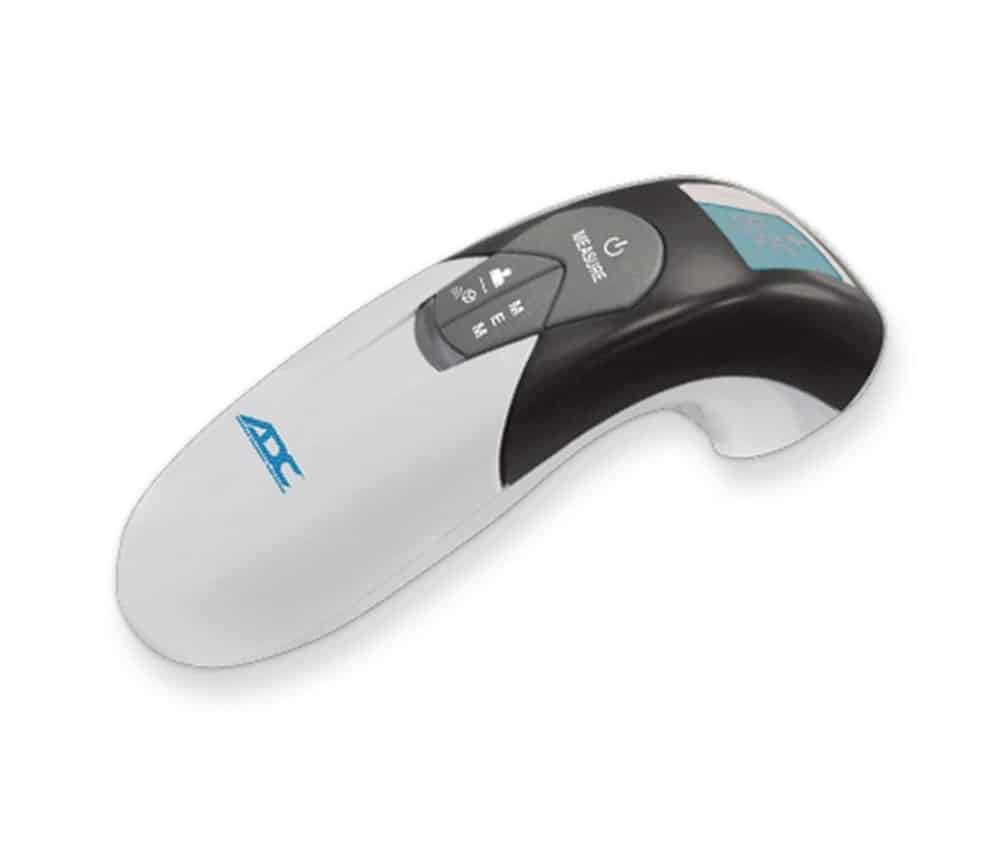
American Diagnostic Corporation Medical-Grade Adtemp™ 429 Non-Contact Thermometer
Showing 24 of 26
Buying guide
What vitals kit do you actually need?
Most students and clinicians need three things for a set of observations: a blood pressure set, a thermometer and a pulse oximeter. Here is how to choose each one.
Manual sphygmomanometer or digital monitor?
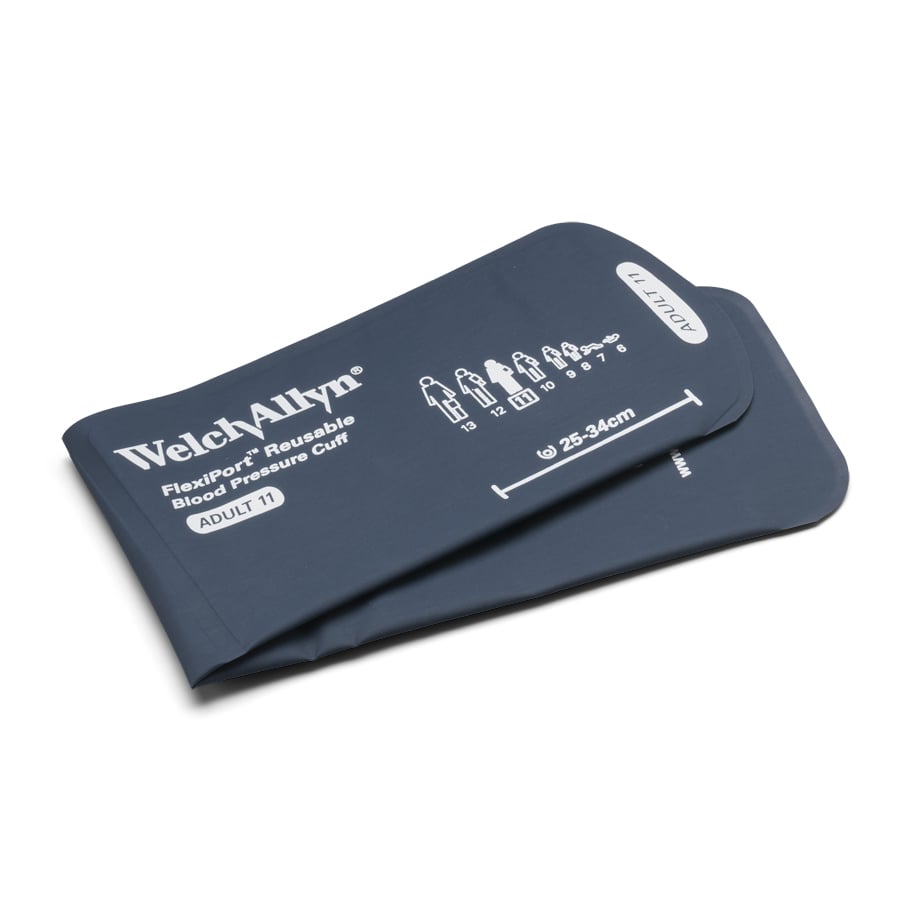
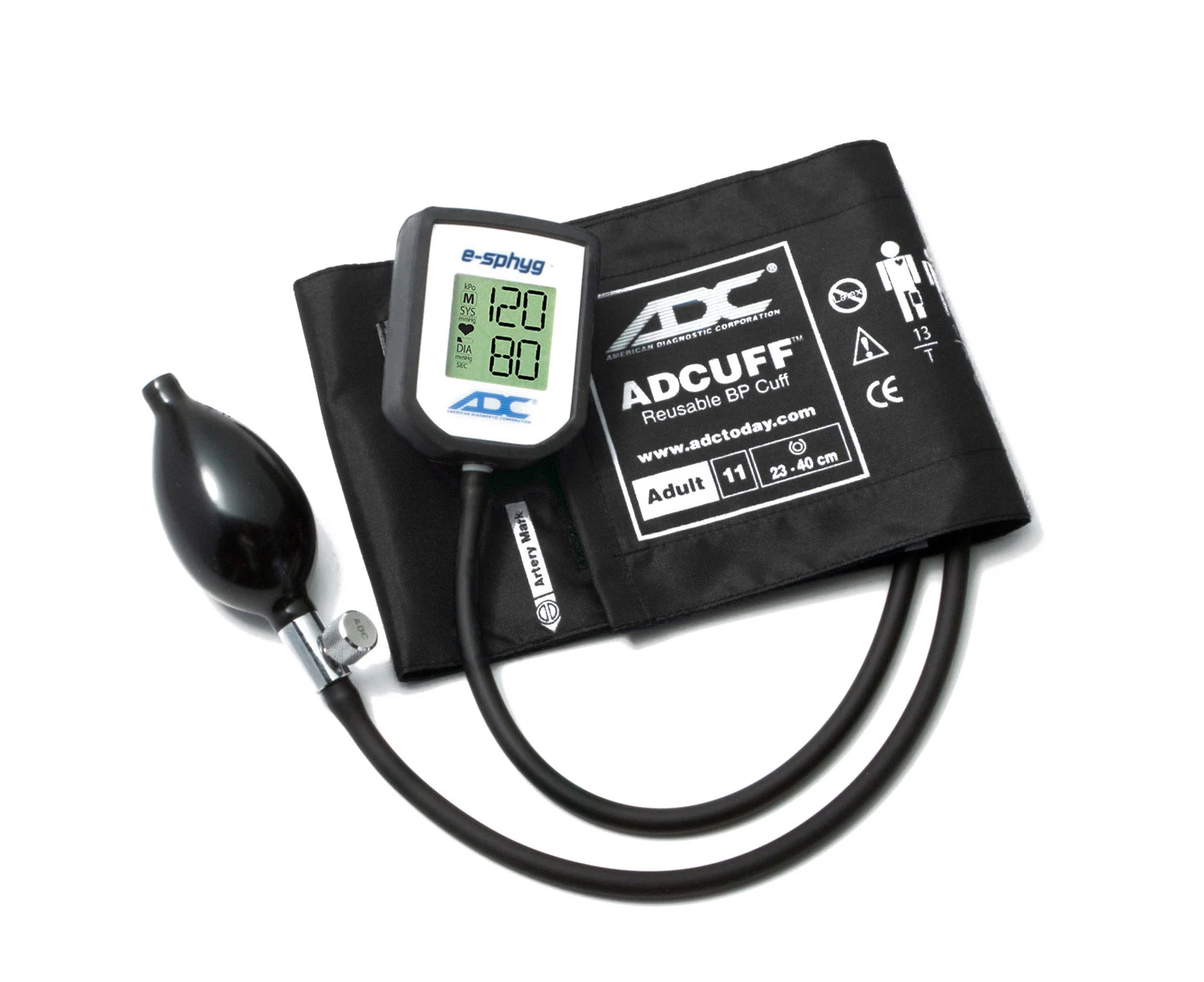
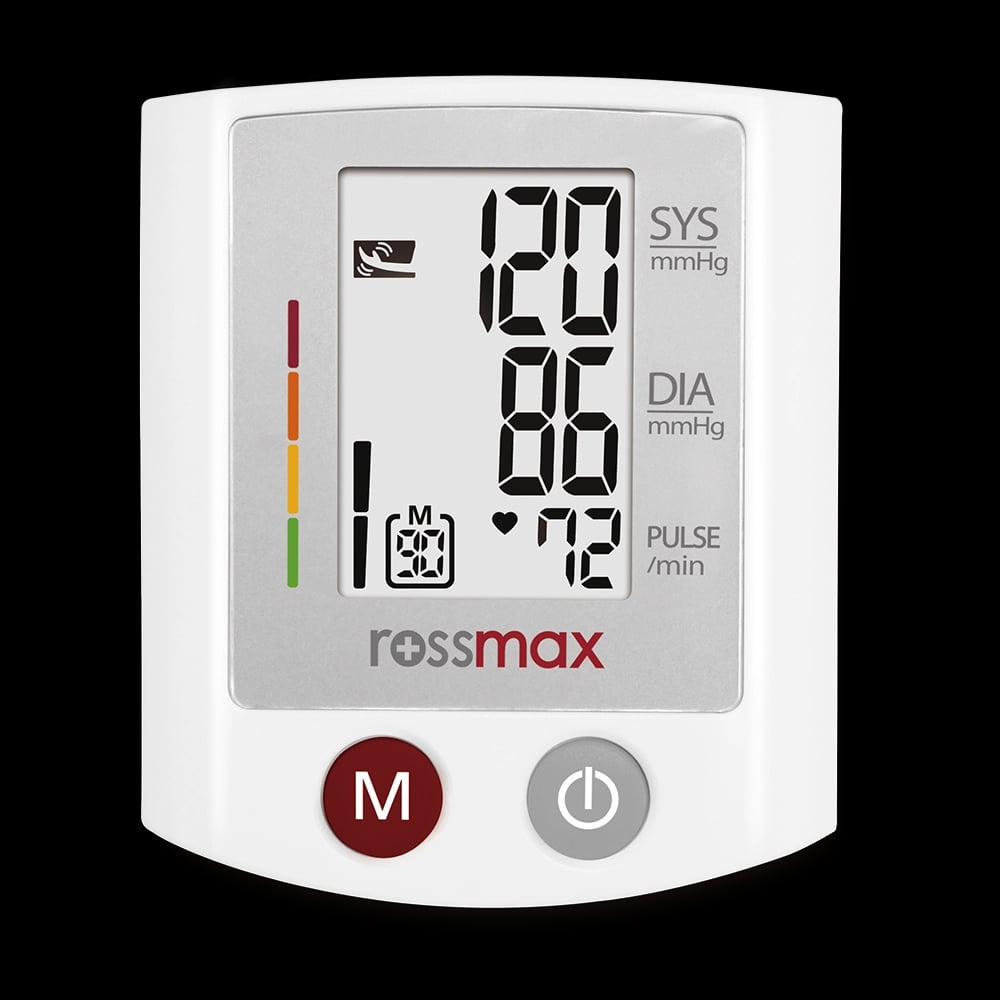
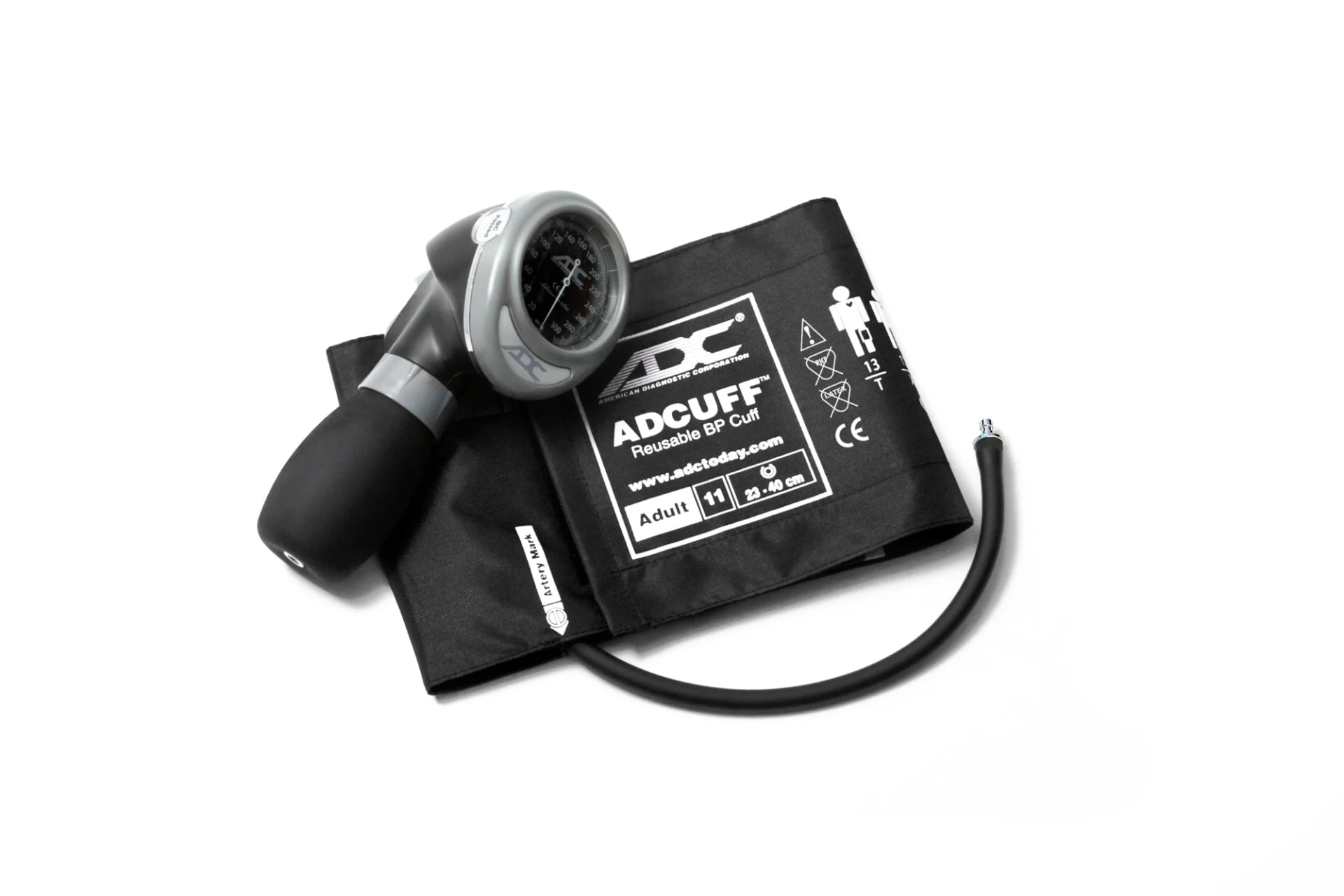
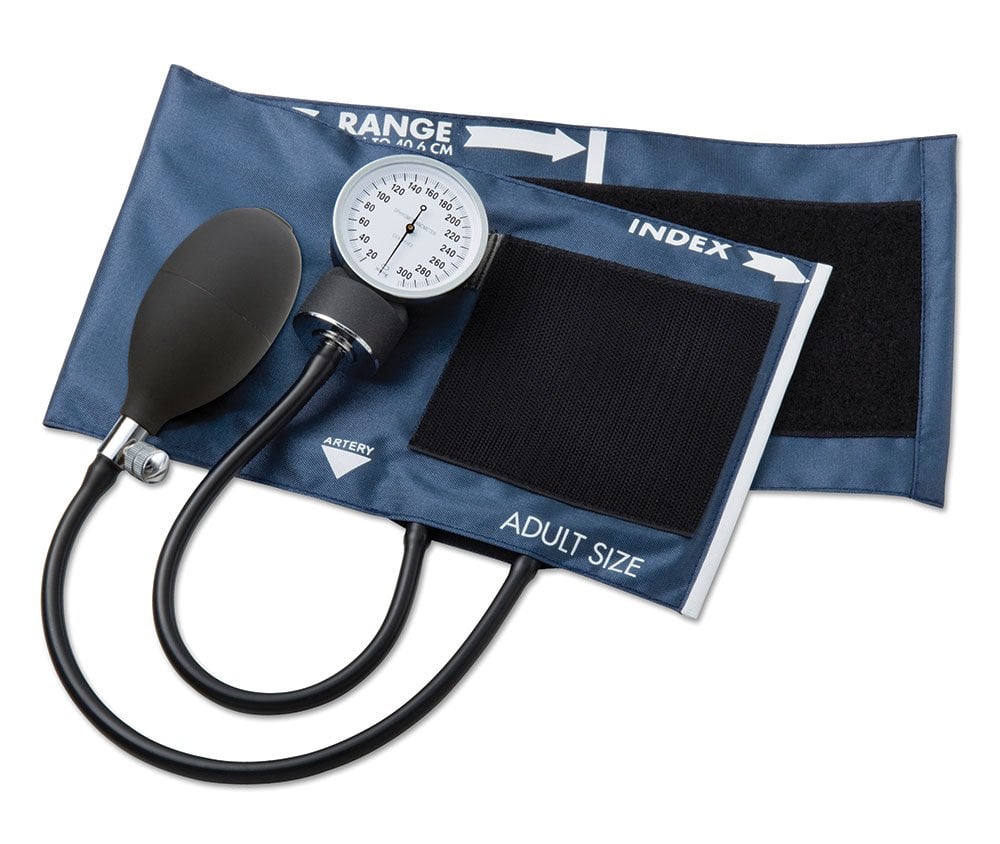
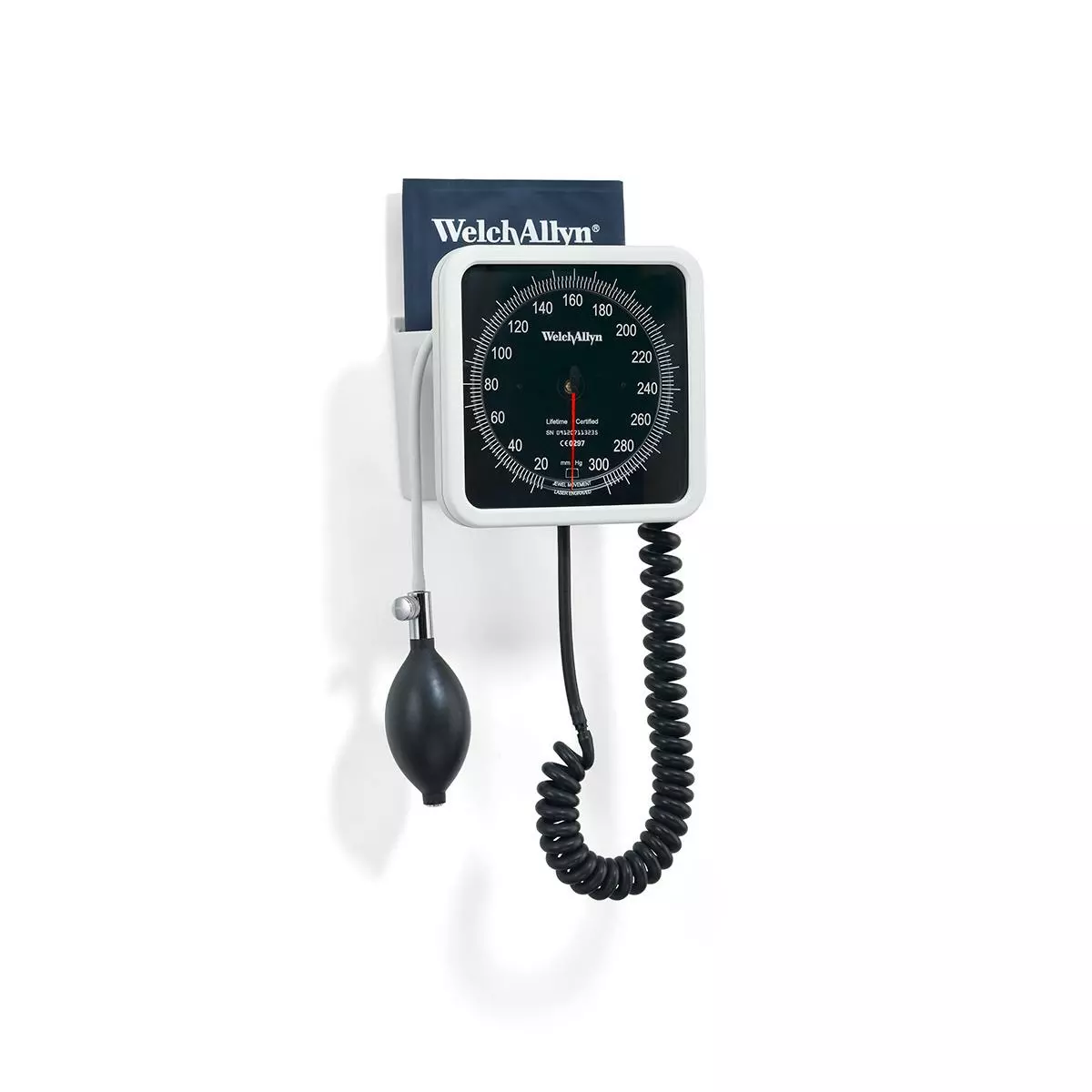
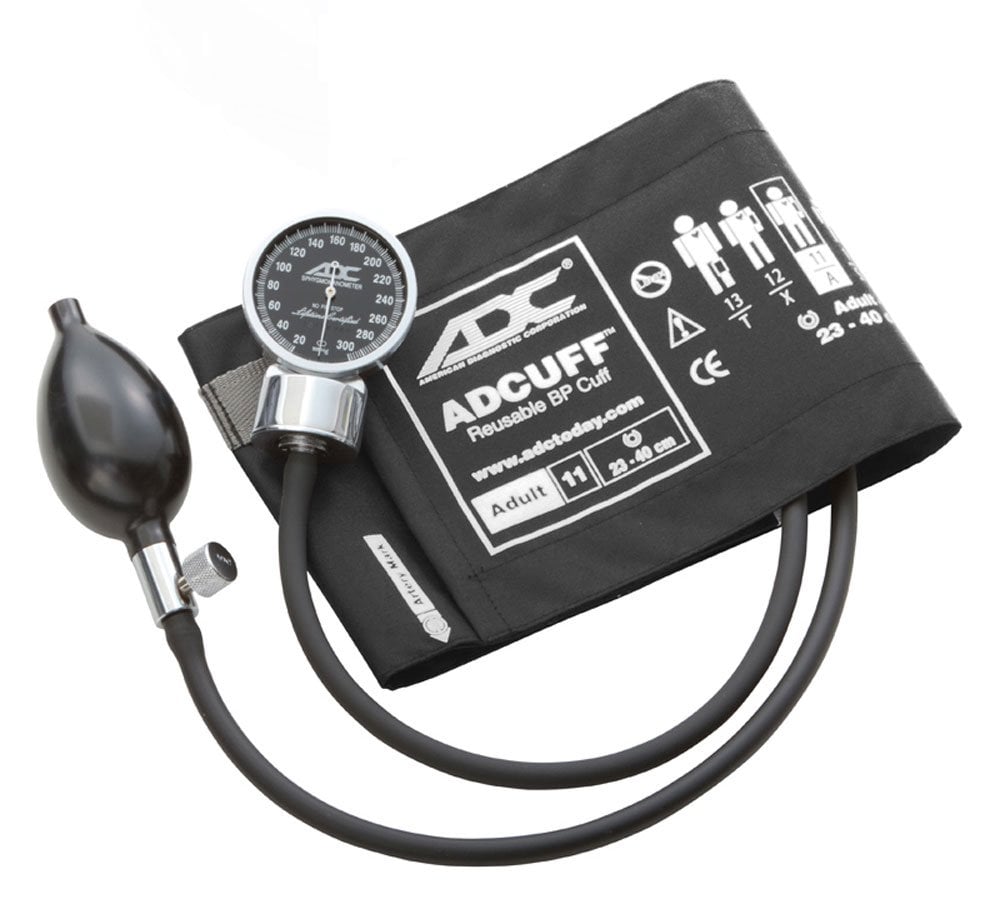
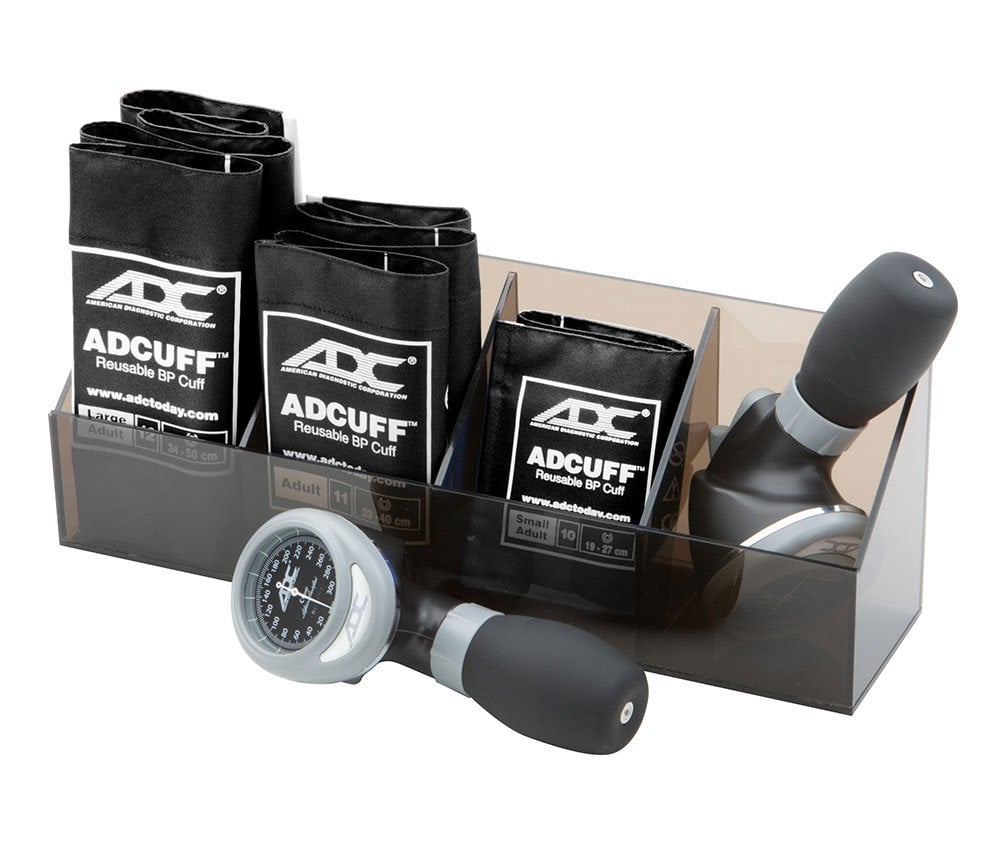
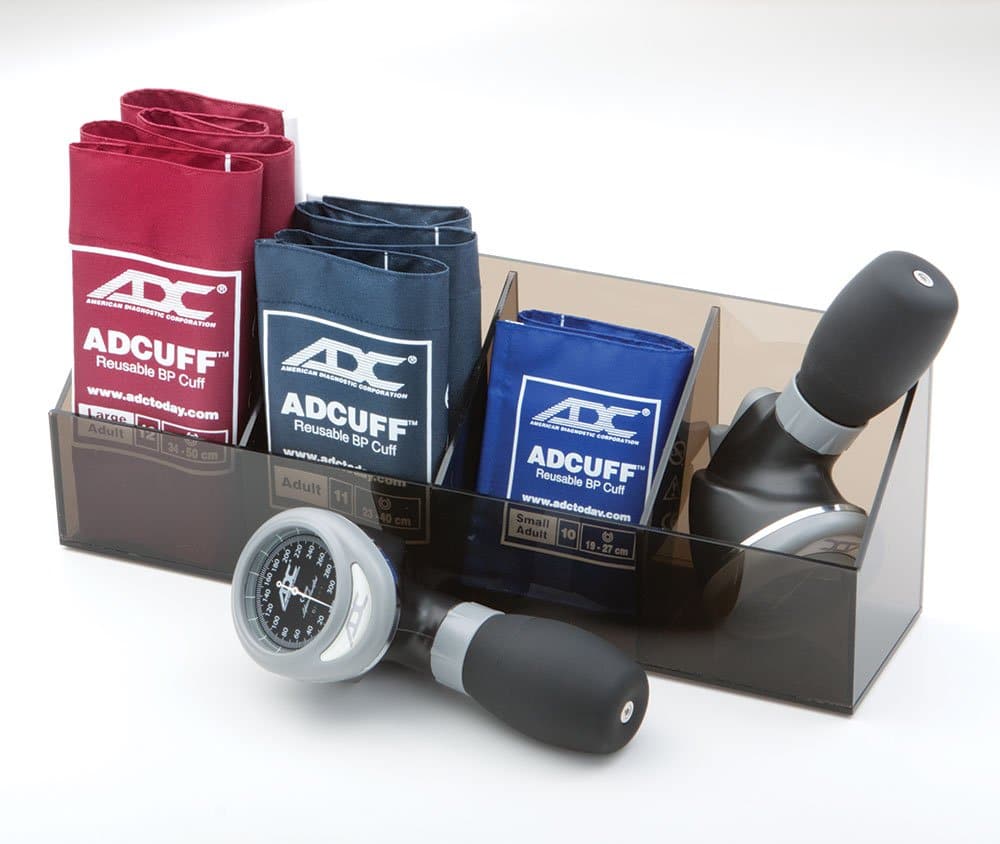
If you are training, buy a manual aneroid set. You will be examined on taking a blood pressure by auscultation with a stethoscope, and an automatic monitor will not teach you that. Automatic monitors suit patients checking their own blood pressure at home. Our sphygmomanometer page explains cuff sizes and the difference between pocket, palm and cuff-mounted gauges. For students who want a tougher gauge, the ADC e-sphyg is a digital aneroid that survives 1.5 m drops but is still used with a stethoscope. Clinics measuring many patients should keep more than one cuff size.
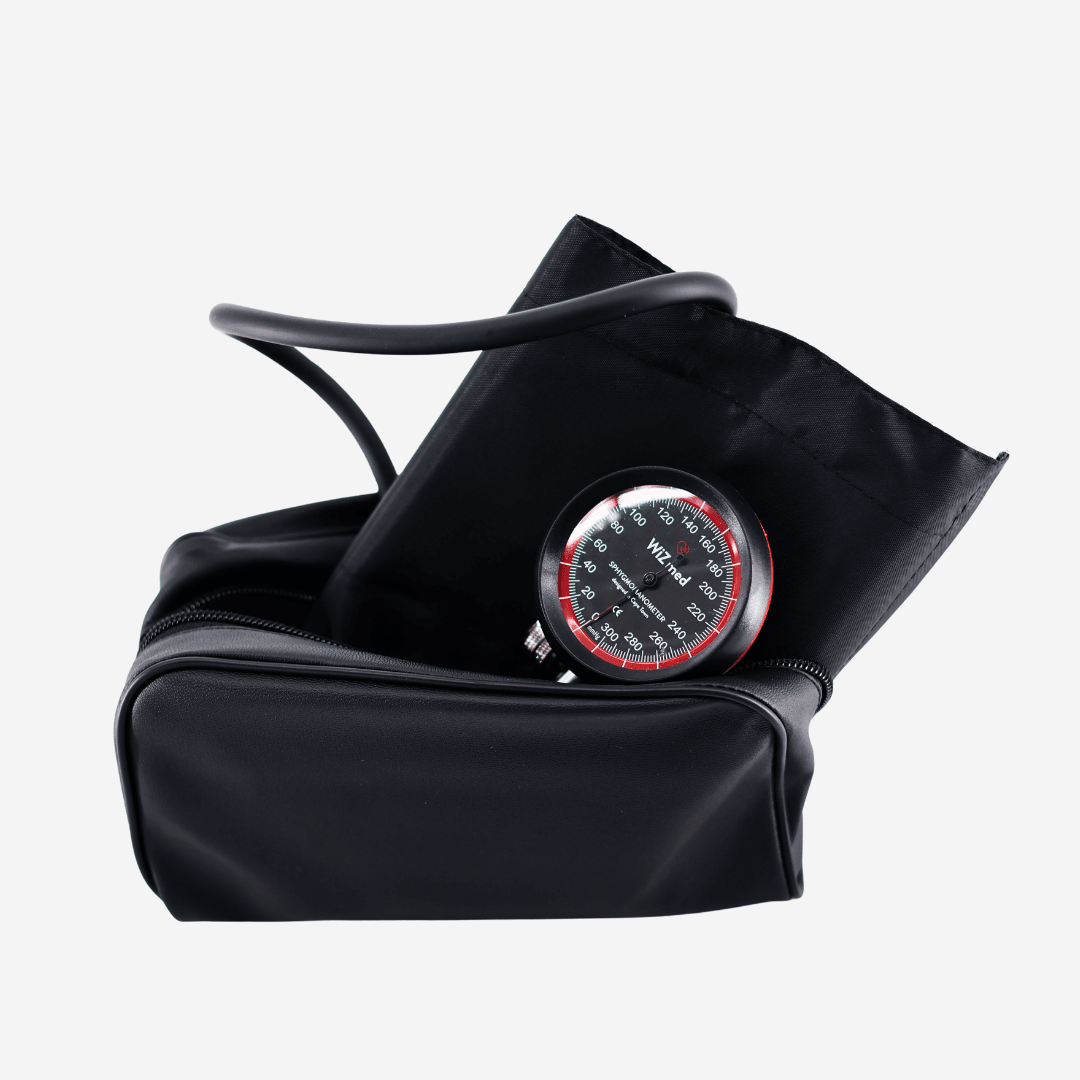
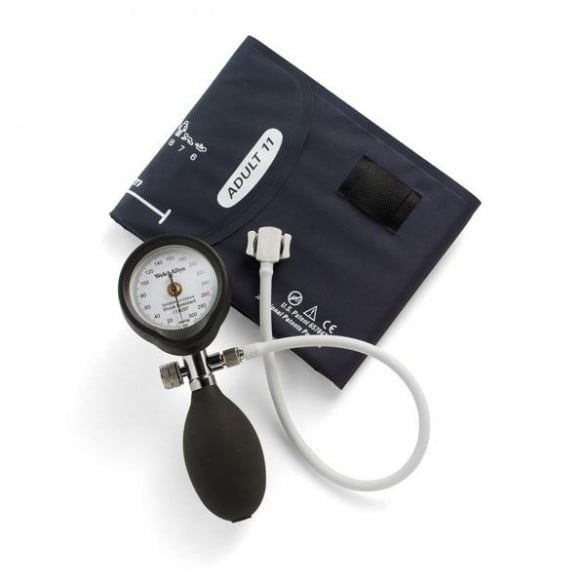
Blood pressure sets and monitorsThe WiZmed SphygmomanometerADC e-sphyg digital aneroid (navy)
Which thermometer is worth carrying?
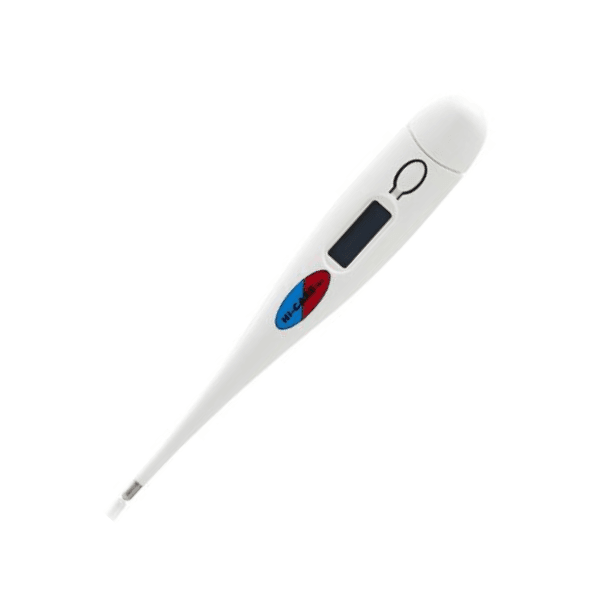
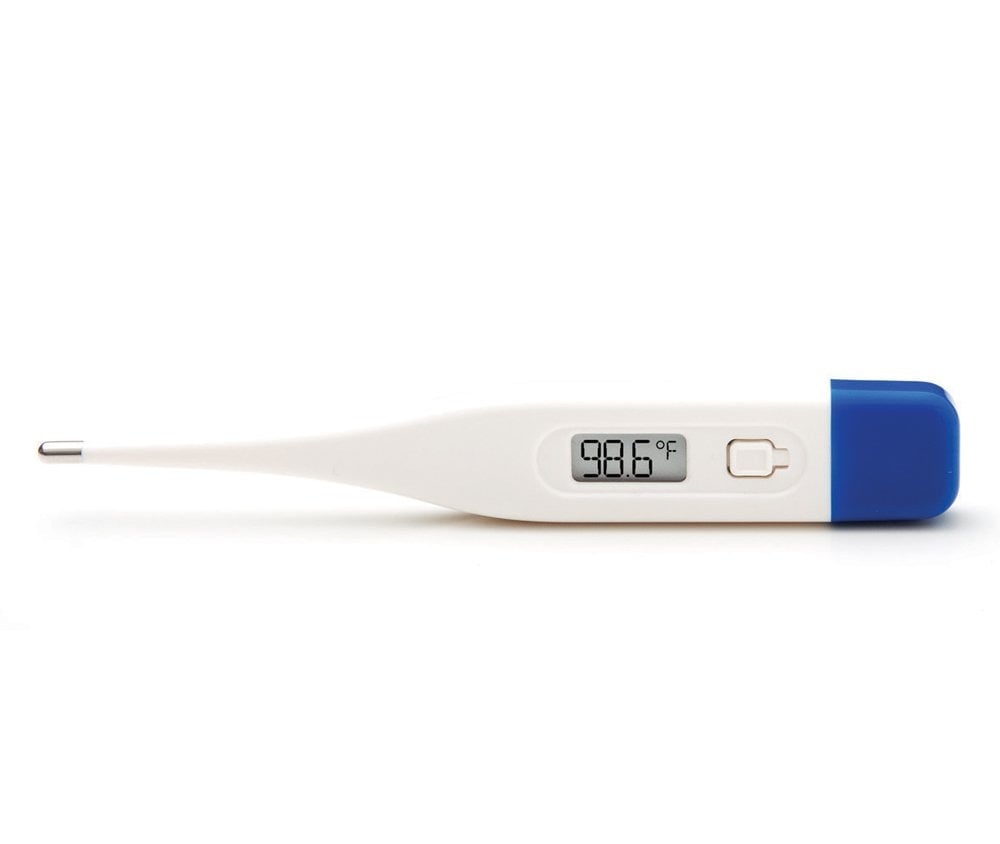
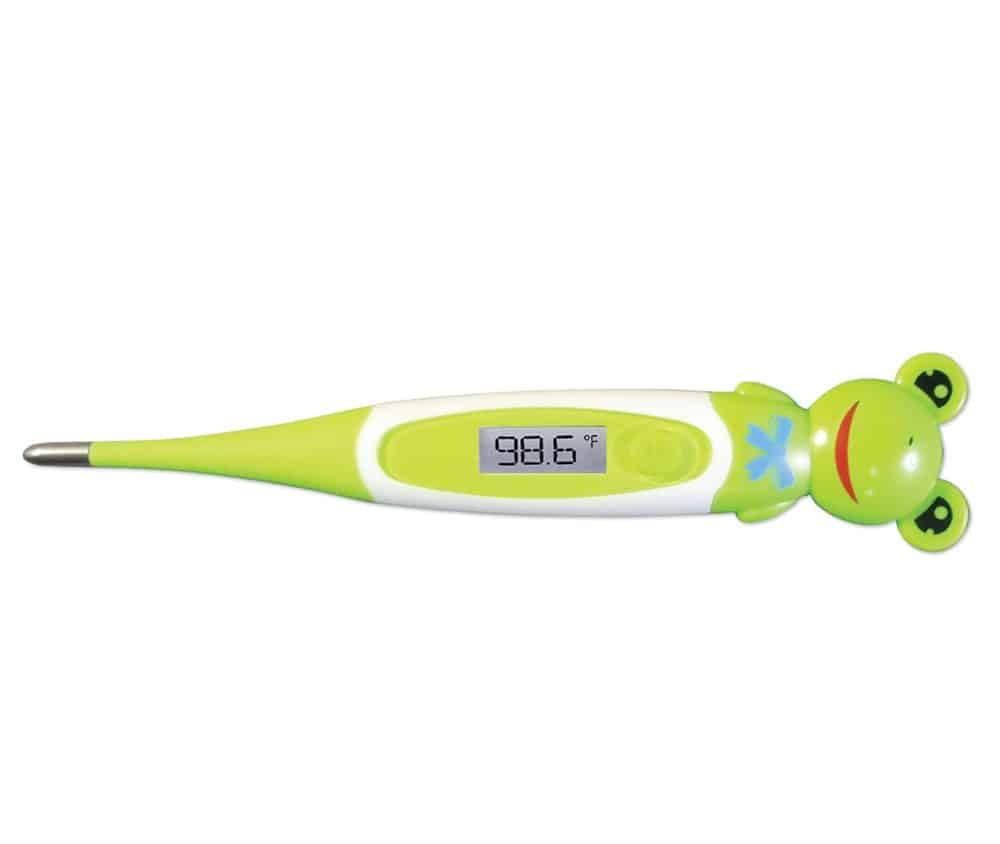
A digital stick thermometer covers almost every ward and home check. The basic one reads in about a minute; the ADC Adtemp 413 reads in 30 to 40 seconds, is accurate to ±0.1 °C and comes with probe sheaths, which matters when you share it between patients. For children, a thermometer with a friendly design and large display makes the job easier. A non-contact forehead thermometer suits screening many people quickly.
Do I need my own pulse oximeter?
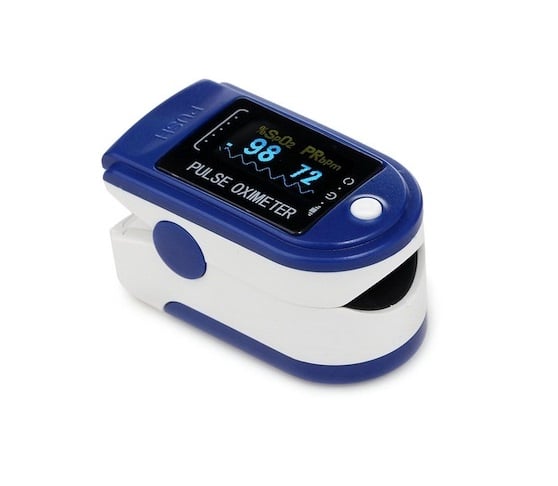
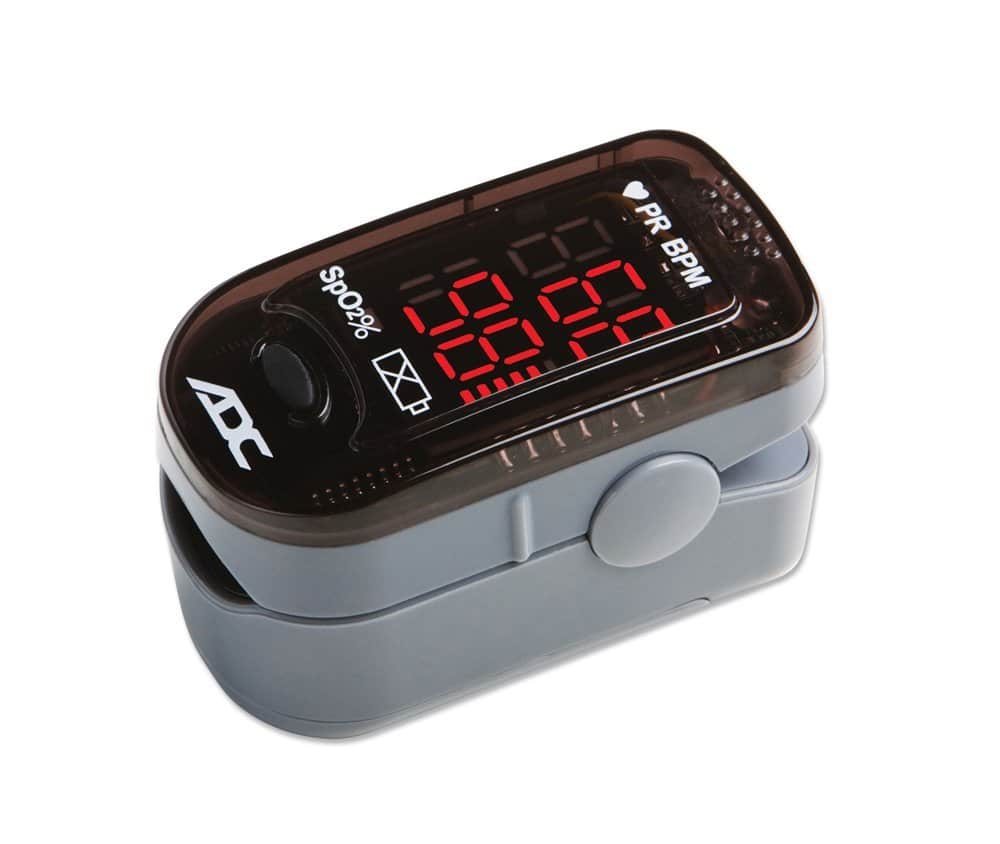
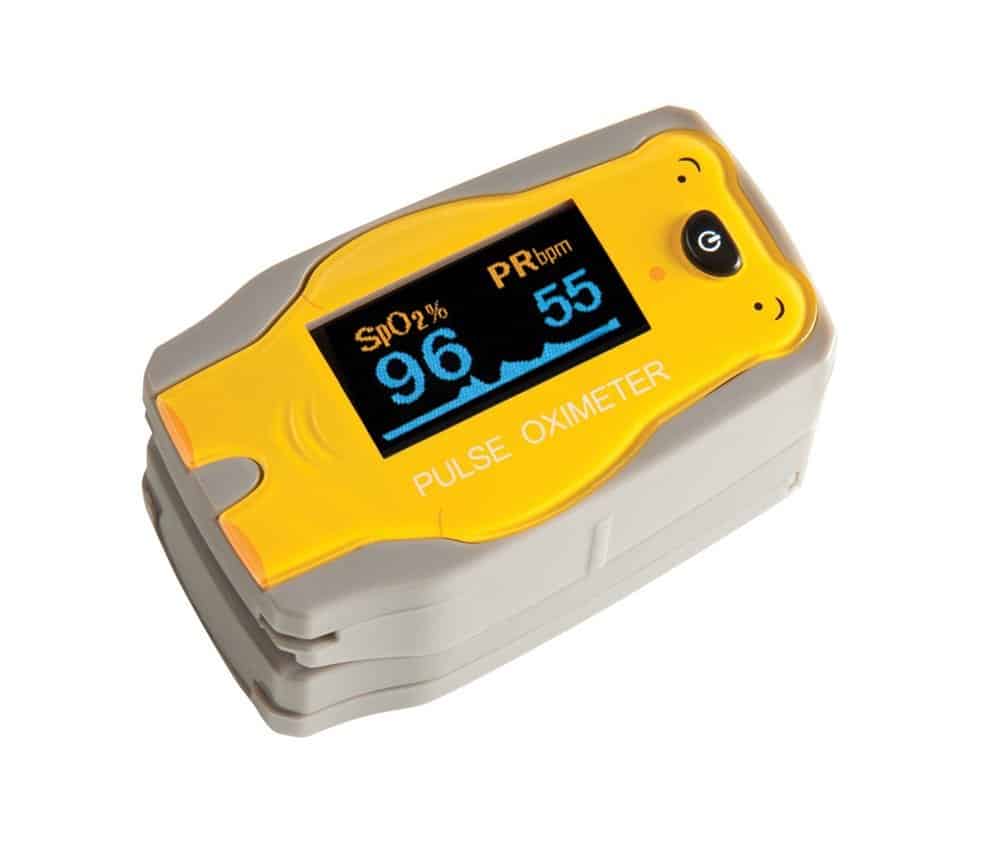
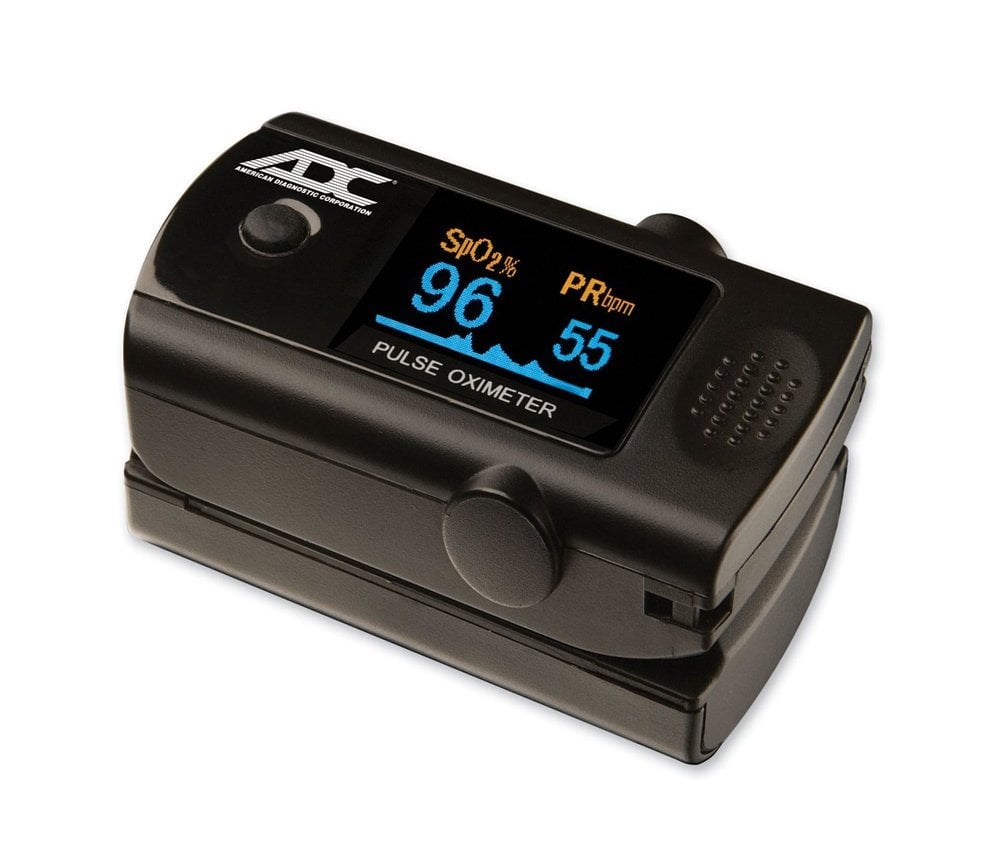
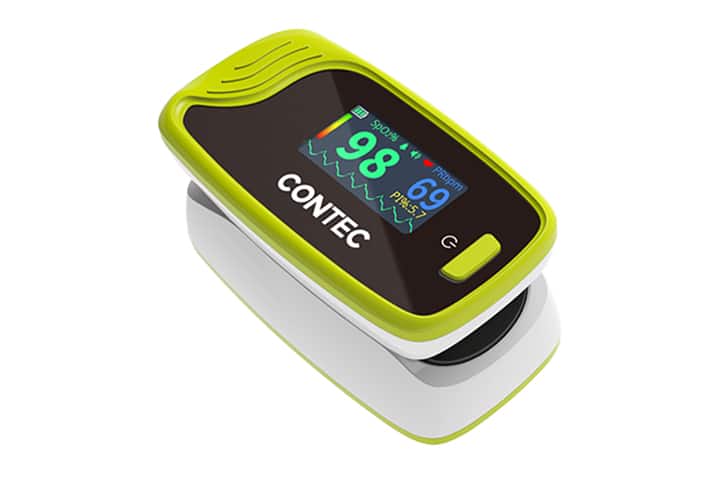
Wards have saturation probes on their monitors, but a fingertip oximeter in your pocket is useful in clinics, on community visits and for home use. Entry-level models show SpO₂ and pulse rate; mid-range models add a stated accuracy and a tougher housing. Children need a paediatric model, because an adult probe will not sit properly on a small finger. The waveform or bar graph on the display tells you whether the probe is picking up a good pulse signal.
Questions we get asked
Before you buy
What do nursing and medical students need for vital signs?
A manual aneroid blood pressure set with an adult cuff, your stethoscope, a digital thermometer and a watch with a second hand for the respiratory rate. A fingertip pulse oximeter is useful but often provided on the ward. Check your faculty's equipment list before you buy.
Do you deliver vitals equipment outside Cape Town?
Yes. We ship nationwide from Cape Town, delivery is free on orders over R3,000, and you can collect for free in Cape Town Monday to Friday, 10:00 to 16:00.
Can I use one blood pressure cuff for every patient?
No. The cuff must match the arm. A cuff that is too small reads high and one that is too large reads low, so clinics keep small adult, adult and large adult cuffs. Measure the mid-upper arm and check the range printed on the cuff.